Technological innovation is now a strategic driver for bar turning companies, facing increasing demands in terms of quality, lead times, and competitiveness. To meet the needs of its industrial clients, Massard & Cie has implemented rigorously structured inventory management and integrated logistics, ensuring just-in-time delivery while controlling procurement costs.
At Massard & Cie, investment in state-of-the-art equipment is at the heart of the industrial strategy.
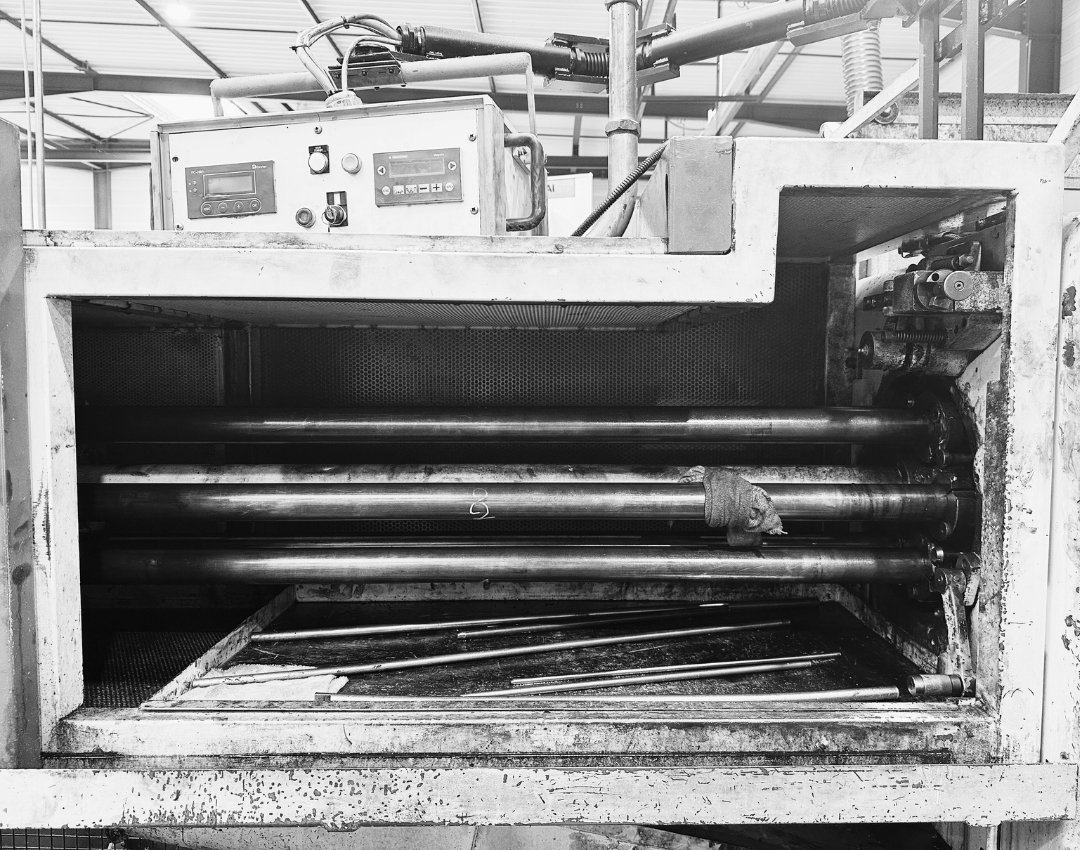
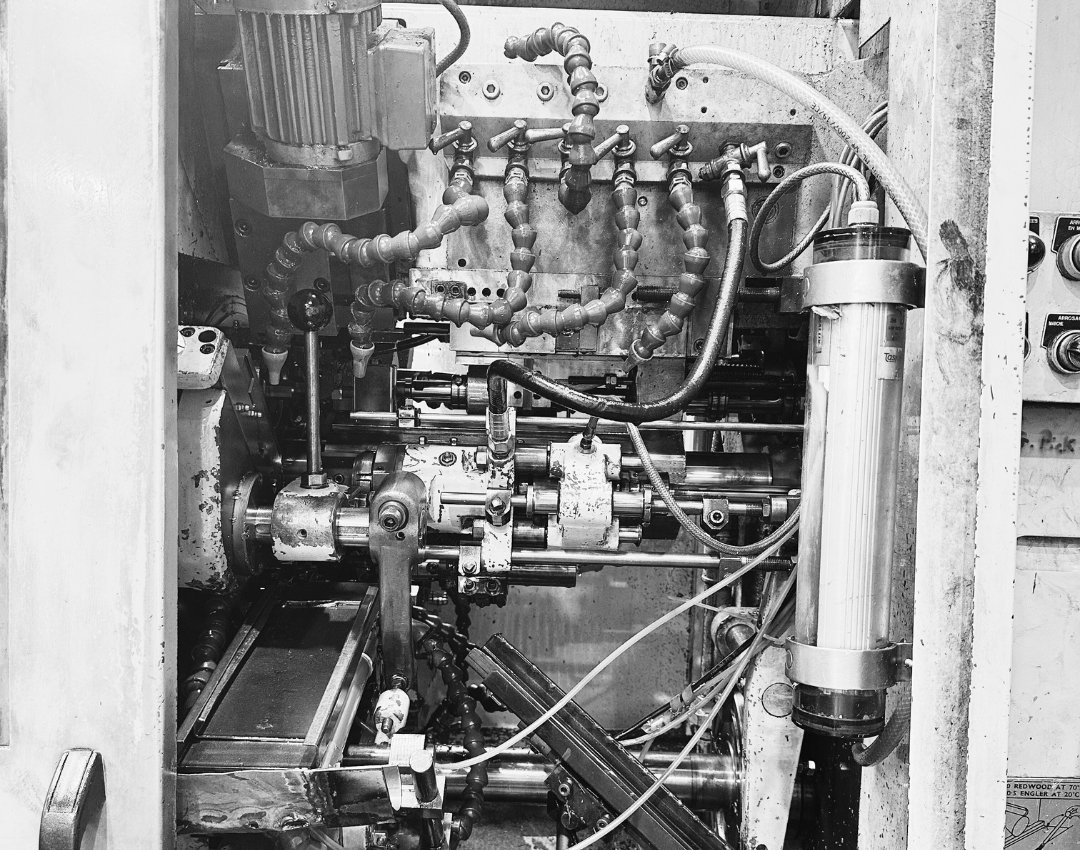
Among the pillars of this innovation: the integration of new-generation multi-spindle lathes, capable of producing complex parts with speed, precision, and consistency, even for very large series.
Discover how multi-spindle machines contribute to the continuous improvement of industrial performance at Massard.
The Central Role of Multi-Spindle Machines in Bar Turning
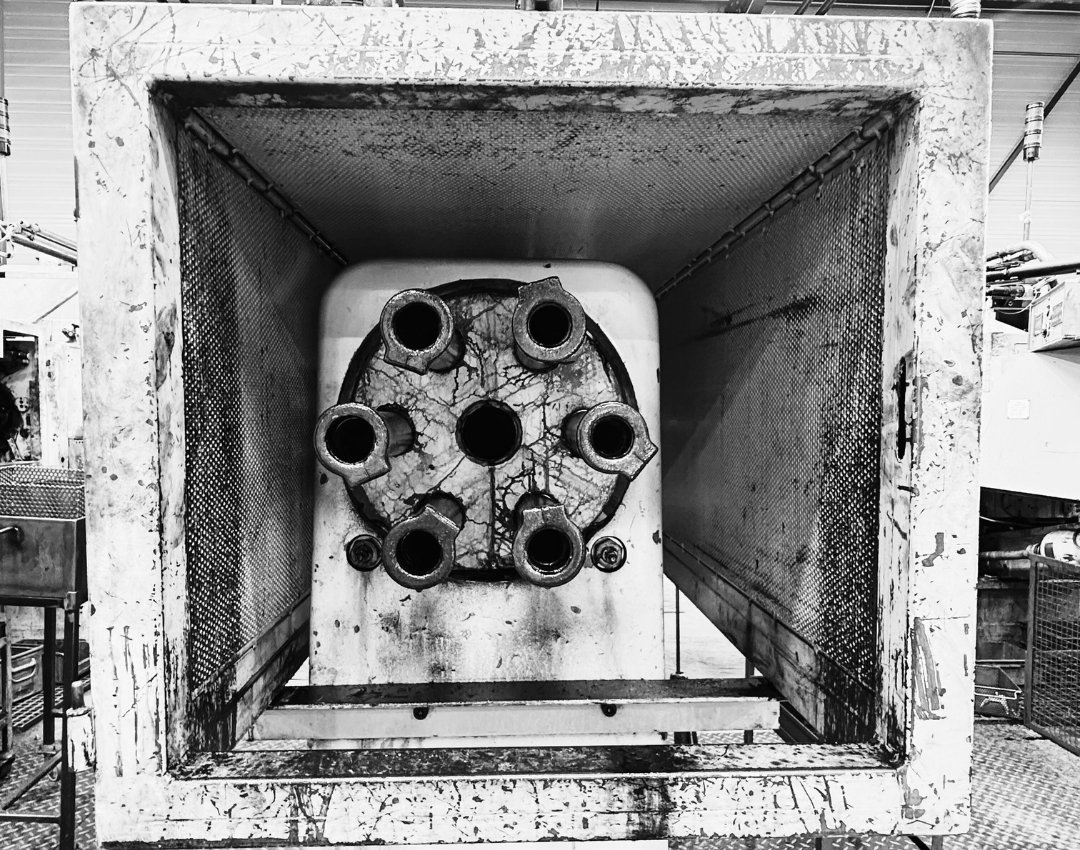
Multi-spindle lathes allow a part to be machined in several simultaneous operations thanks to the presence of multiple main spindles (generally 6 to 8), each equipped with specific tools.
In each cycle, different operations — turning, drilling, threading, grooving, knurling — are performed simultaneously on the part or on several different parts.
The major industrial advantages are numerous:
- Drastic reduction in cycle time: multiple operations in parallel
- Rapid production of large series with dimensional regularity
- High repetitive precision, even on volumes of several thousand parts
- Optimization of energy consumption through the concentration of operations
In the context of the global market, where cost, lead time, and quality criteria are decisive, multi-spindle remains an essential competitive tool.
Specifics of Massard's Multi-Spindle Equipment
Massard has a fleet of multi-spindle machines including:
traditional cam-operated multi-spindle machines, efficient for simple standard series,
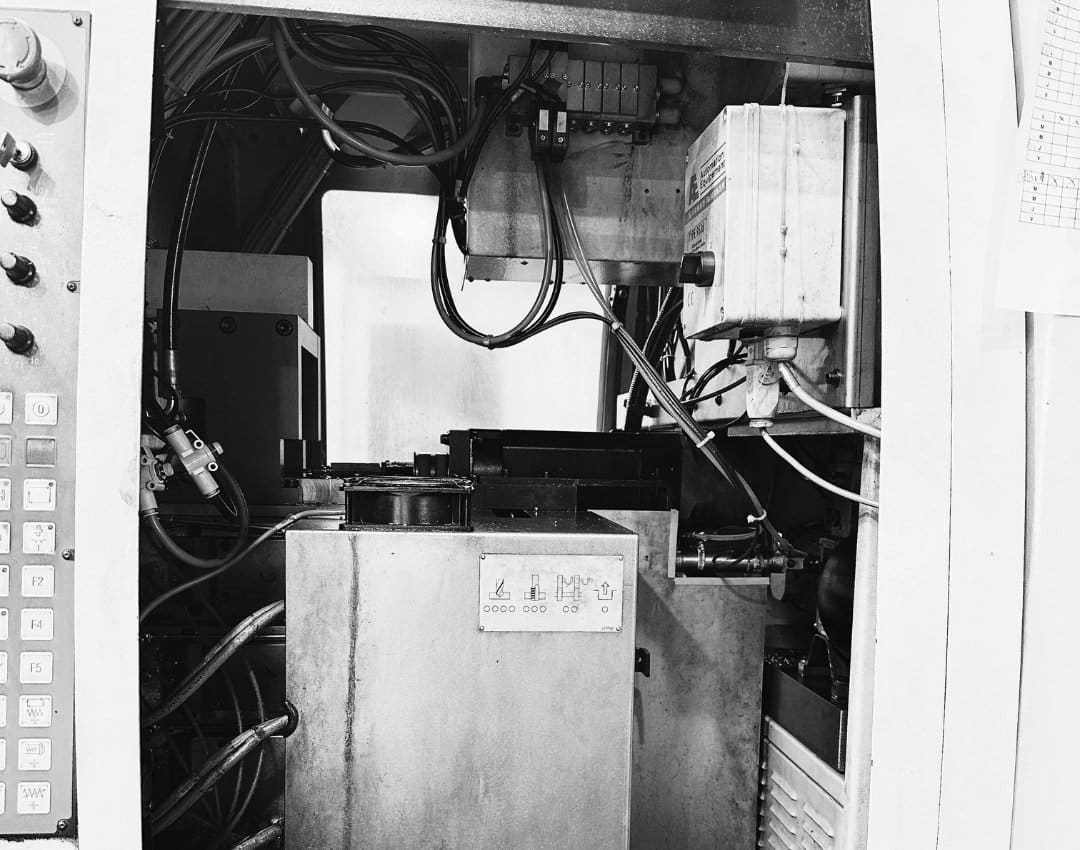
and modern CNC (Computer Numerical Control) multi-spindle machines, enabling the production of complex technical parts with increased flexibility.
CNC multi-spindle machines offer superior capabilities:
- Rapid programming of tooling modifications
- Reduced setup times for varied productions
- Adaptability to special parts (studs, inserts, complex fasteners, long threaded shafts)
Thanks to this equipment, Massard can combine the classic production speed of a multi-spindle machine with the technical flexibility expected in today's markets.
Typical Parts Machined on Multi-Spindle Machines
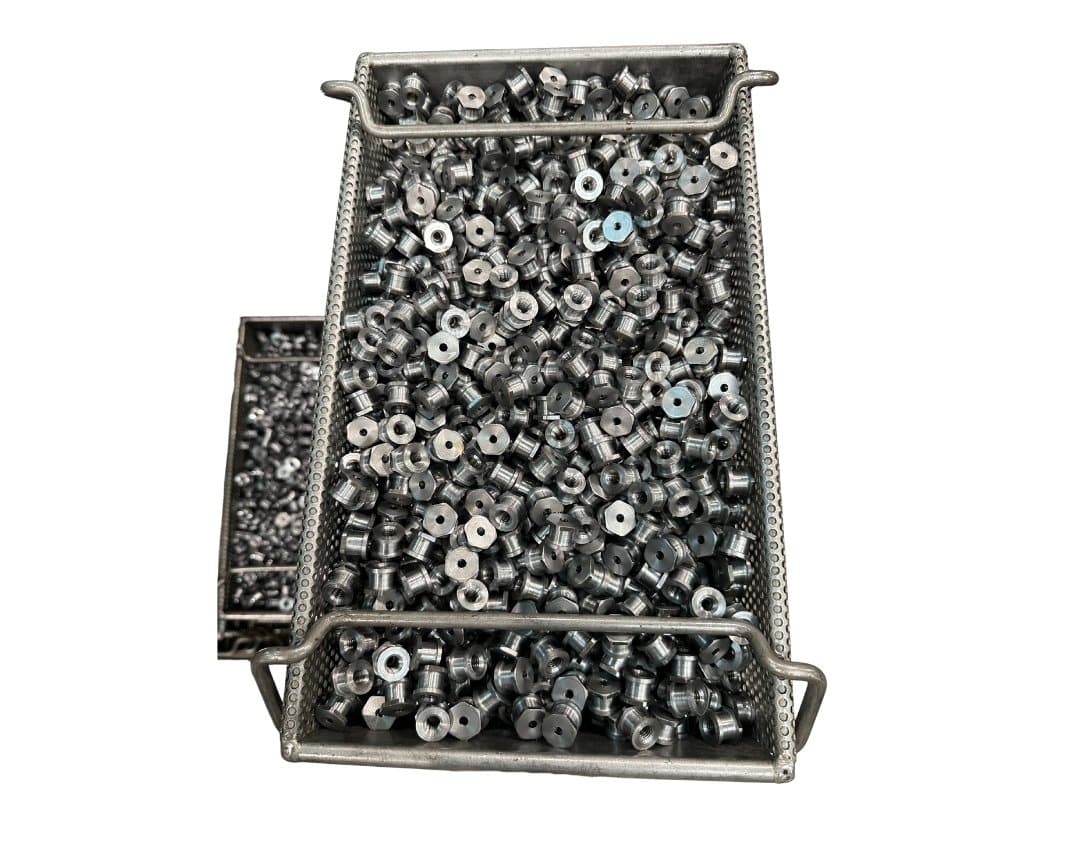
Massard's multi-spindle machines efficiently machine:
- Threaded studs, plain or with knurling
- Self-tapping inserts or inserts for overmolding
- Hydraulic fittings
- Small shafts for automotive or energy applications
- Tie rods or long threaded rods (up to 2800 mm thanks to associated sliding headstock lathes)
Continuous Innovation: Combining Machines and Digitalization
At Massard, innovation does not stop at the purchase of new machines.
It is based on a vision of global industrial optimization, where digitalization also plays a key role:
- In-process control integrated into machining cycles
- SPC statistical monitoring connected to equipment to anticipate deviations
- Real-time analysis of critical parameters (speed, feed, cutting temperature)
This approach secures quality, reduces scrap, and optimizes machine utilization, even for technical productions.
Investing in Multi-Spindle Machines: A Strategic Choice for Massard
The continuous integration of new multi-spindle equipment demonstrates Massard's commitment to:
- Increasing its production capacities,
- Reducing its cycle times for large series,
- Opening up to demanding new markets (automotive, aerospace, energy, hydraulics),
- Maintaining a competitive position in the technical bar turning market.
Multi-spindle machines represent a major industrial optimization lever for Massard, combining speed, flexibility, and quality!
They enable the company to produce complex and technical fastening parts, in small, medium, and large series, within short lead times, while maintaining a high level of quality requirements.
Continuous technological innovation is the key to offering Massard's clients reliable, scalable, and competitive industrial solutions.
📞 Need to know more about our multi-spindle capabilities? Contact our technical team below...
FAQ – Multi-Spindle Machines and Innovation in Bar Turning
- In which cases is a multi-spindle machine more efficient than a single-spindle CNC lathe?
The multi-spindle machine is particularly relevant for medium and large series, when several operations must be performed on the same part. Simultaneous machining significantly reduces cycle times and guarantees high dimensional repeatability, whereas a single-spindle machine would be slower and less competitive.
- What is the difference between cam-operated multi-spindle and CNC multi-spindle machines?
Cam-operated multi-spindle machines remain very efficient for repetitive standard productions, with extremely short cycle times. CNC multi-spindle machines, on the other hand, offer superior flexibility, allowing for the machining of more complex parts, rapid adjustment of settings, and responsiveness to evolving specifications.
- How does digitalization enhance the performance of multi-spindle machines at Massard?
At Massard, multi-spindle machines are integrated into a digitized environment: real-time SPC monitoring, in-process controls, and machine parameter analysis. This approach allows for anticipating deviations, securing quality, and optimizing equipment utilization over time.
Other readings that may interest you
- Bar turning of mechanical fasteners: studs, inserts, tie rods and fittings.
- Special fasteners in small series: meeting specific demands starting from 20 pieces
- Long part turning: machining up to 2800 mm on sliding headstock CNC lathes
- Progress on the Massard site extension: +800 m² dedicated to industrialization


