In the precision machining and screw-cutting industry, the choice between multi-spindle CNC lathes and twin-spindle CNC lathes is strategic.
Massard uses both technologies to optimize production based on volumes, part complexity and quality requirements.
This article explains the key differences between these two types of machines and how their complementarity makes it possible to efficiently meet industrial needs.
Multi-spindle CNC lathes: optimizing large, complex production runs
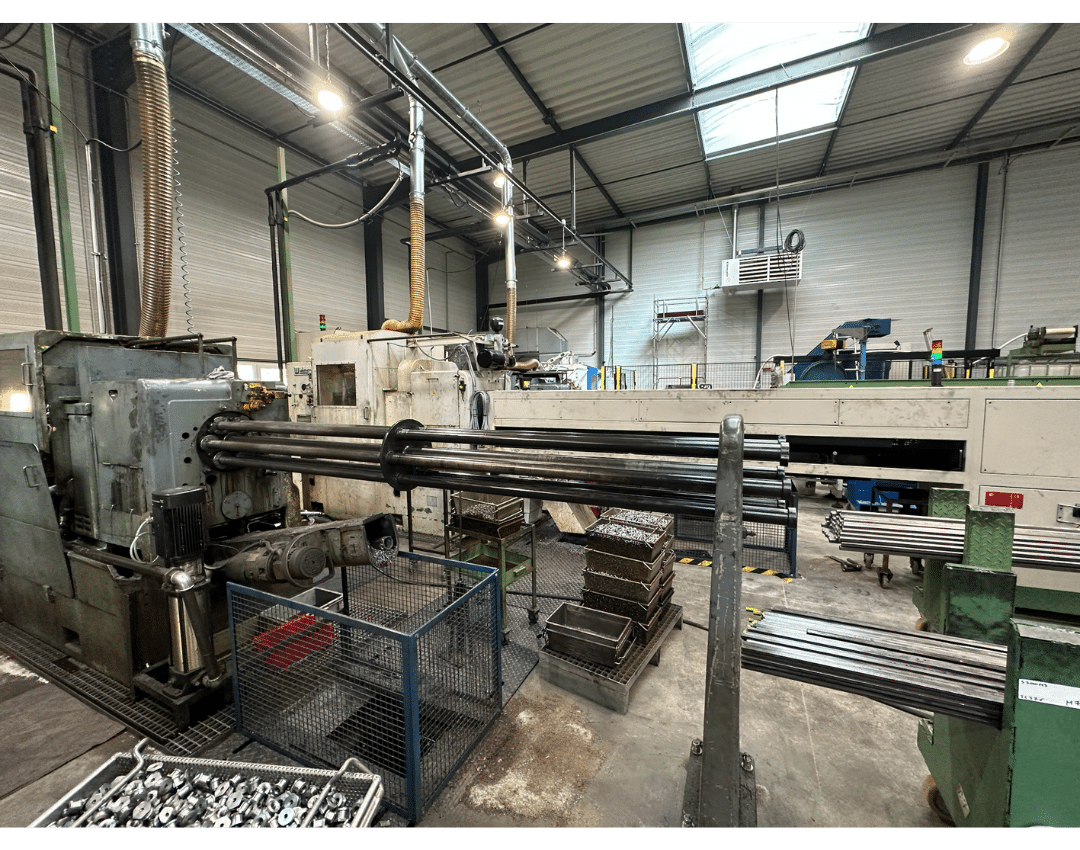
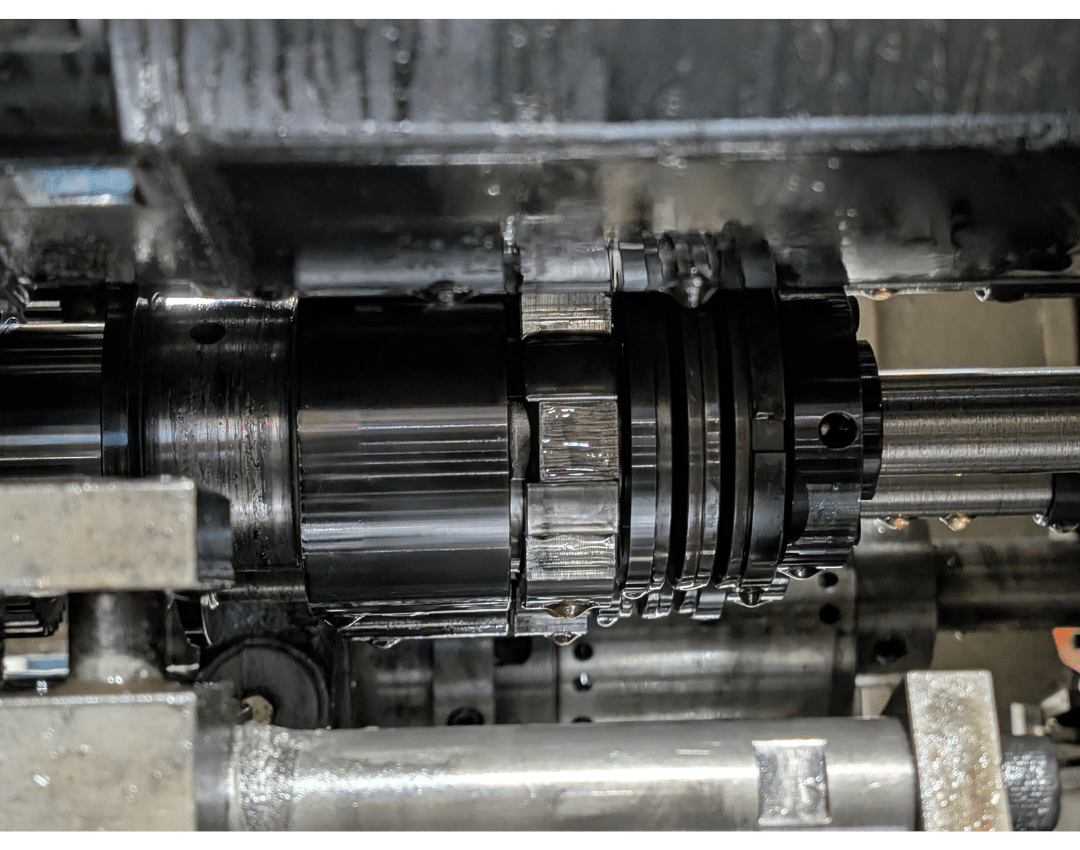
Multi-spindle lathes have several main spindles (up to 6 or 8), allowing several parts or several operations on the same part to be machined simultaneously.
Main advantages:
- High productivity: several operations are carried out in parallel.
- Reduced cycle times: machining optimized for large production runs.
- High repeatable precision: essential for complex parts produced in large quantities.
- Ability to integrate several different machining operations: turning, drilling, milling and tapping on a single machine.
Typical applications:
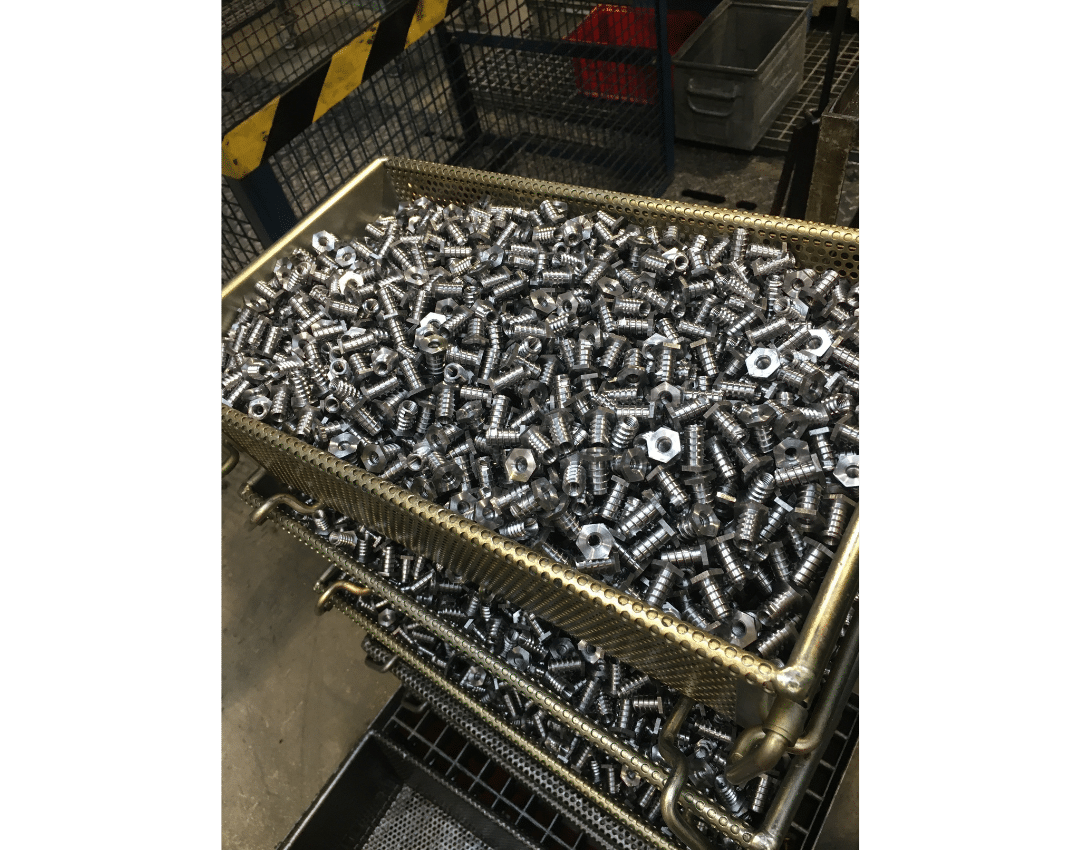
- Special fasteners
- Automotive components (shafts, studs)
- Parts for industrial equipment
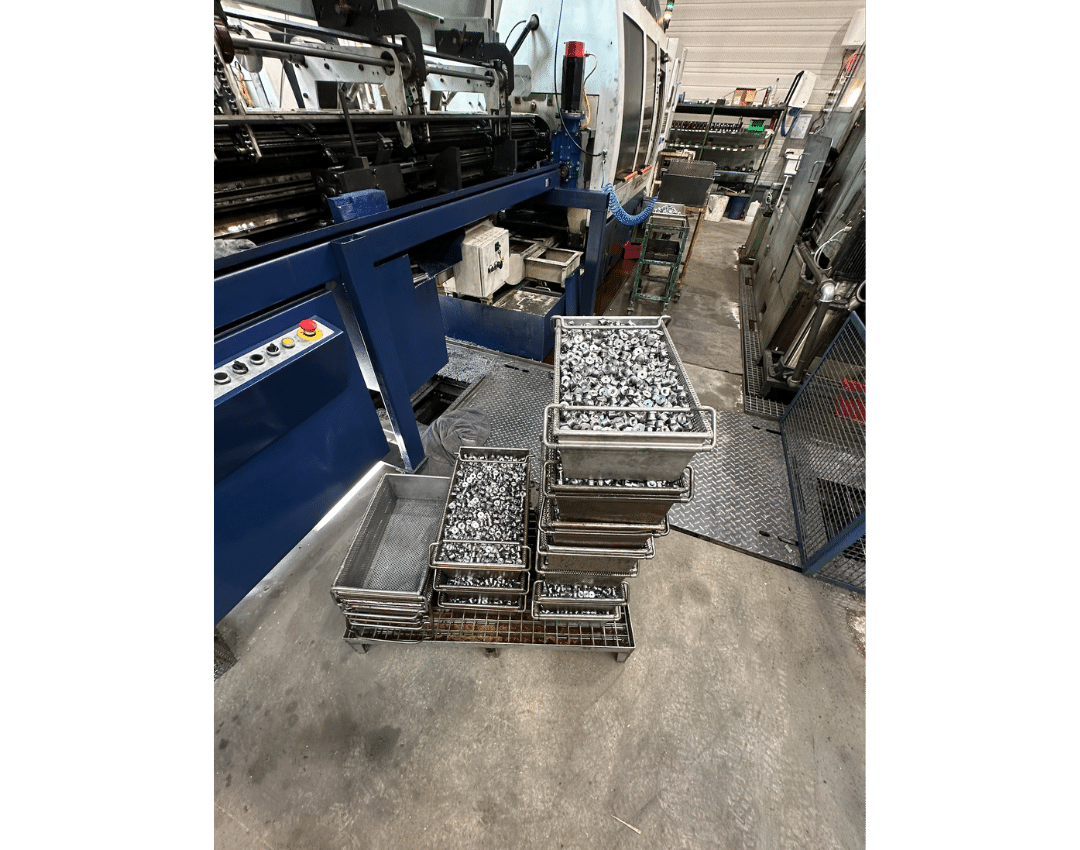
Multi-spindle lathes are ideal for producing large volumes while maintaining consistent quality.
Twin-spindle CNC lathes: flexibility and time savings for varied production runs
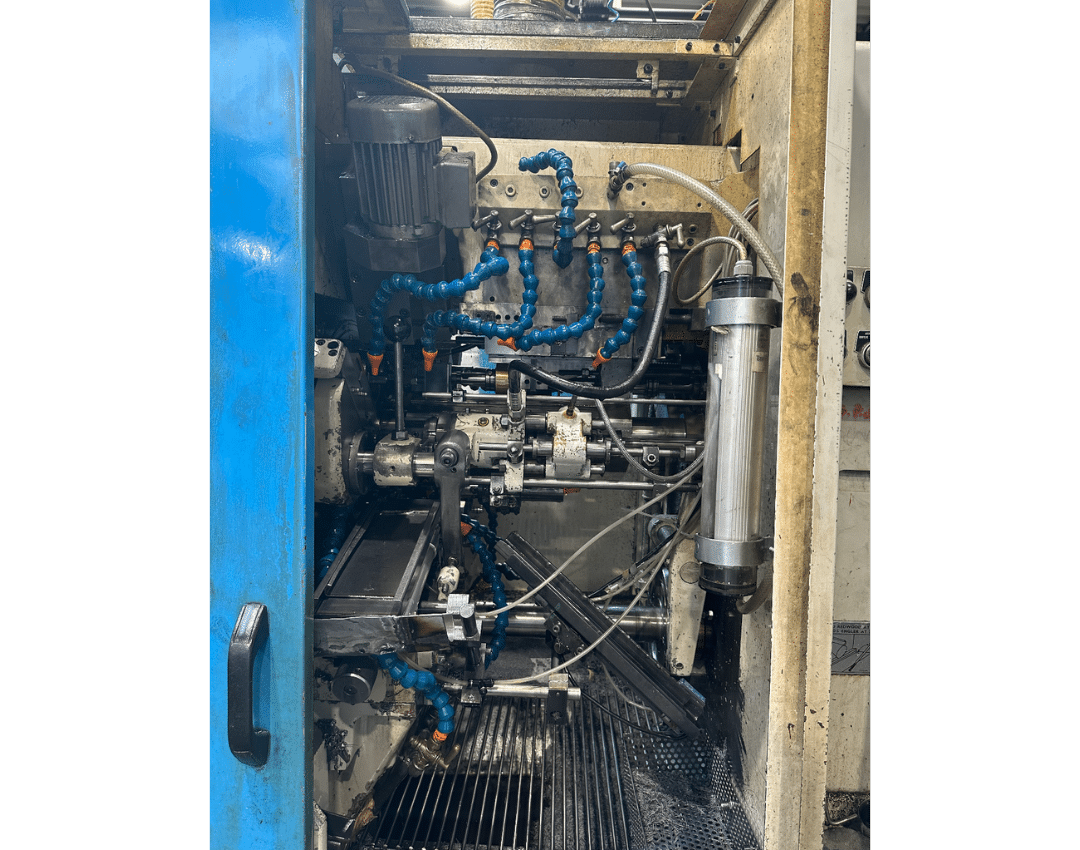
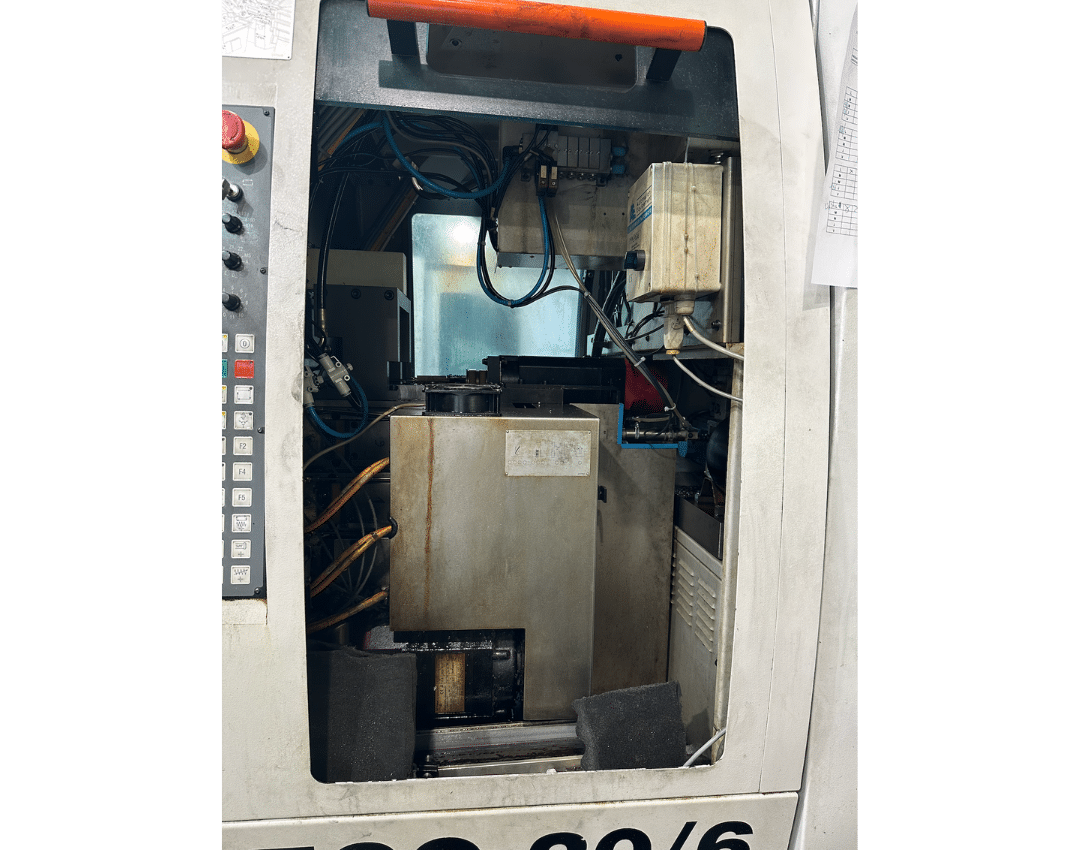
Twin-spindle lathes are equipped with two main spindles, working in a coordinated manner.
Main advantages:
- Increased flexibility: the ability to machine different parts on each spindle or to carry out complete machining in two stages.
- Reduced machining time per part: a quick transition from a primary operation to secondary finishing without unclamping the part.
- Optimization of medium to technical production runs: ideal for more varied production or intermediate batches.
Typical applications:
- Small and medium production runs
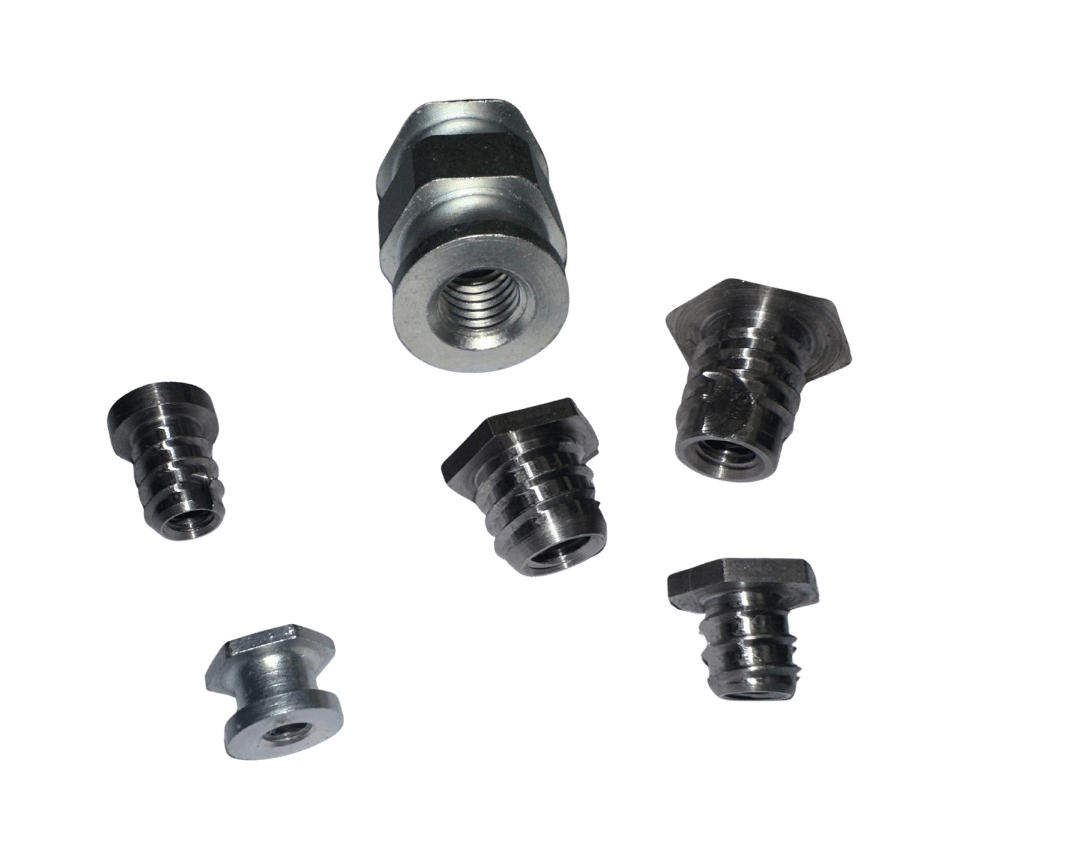
- Technical parts requiring double-sided machining (e.g. complex fasteners, precision components)
Twin-spindle lathes are particularly effective on production runs requiring responsiveness and adaptability.
How Massard uses this machine complementarity
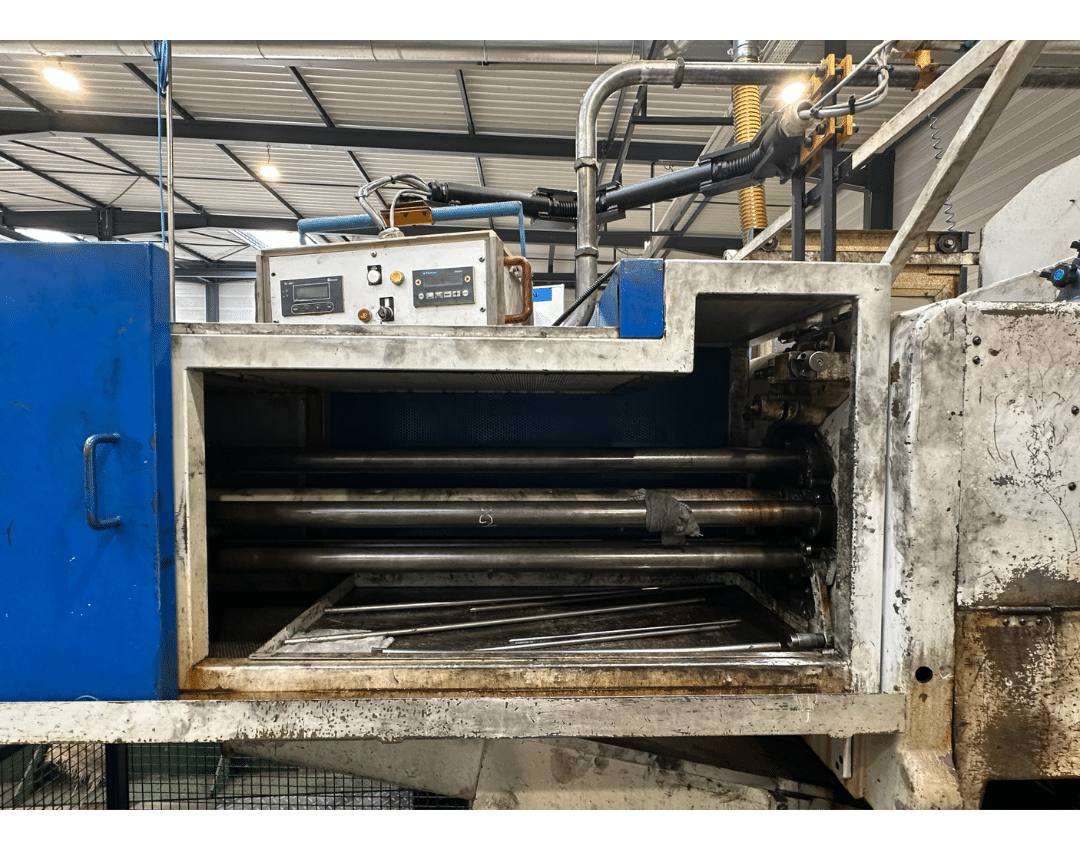
Thanks to a fleet combining multi-spindle lathes and twin-spindle lathes, Massard adapts its production resources to each industrial project:
- Large, repetitive production runs ➔ multi-spindle lathes for throughput and stability
- Technical, medium or varied production runs ➔ twin-spindle lathes for flexibility and time savings
This organization makes it possible to reduce costs, shorten lead times and guarantee quality, regardless of the volume requested.
A tailored response to every industrial request, from prototyping to large-scale production
The choice between multi-spindle CNC lathes and twin-spindle lathes depends on production objectives:
High volume and standardization
multi-spindle
Flexibility and technical complexity
twin-spindle lathes
At Massard, integrating these two technologies makes it possible to offer a tailored response to every industrial request, from prototype to large-scale production.
To learn more about our production capabilities or to discuss your project, contact our technical team.


