Material: a strategic element in precision bar turning
In precision bar turning, the performance of a mechanical part does not depend solely on its geometry or machining quality. Material selection plays a central role in the part’s final performance, durability and ability to meet operating constraints. Mechanical strength, corrosion resistance, thermal behaviour, conductivity and wear resistance: each industrial environment imposes specific requirements that directly influence the choice of material.
At Massard, we machine different families of materials to meet the needs of many industrial sectors: general mechanics, technical equipment, mechanical fasteners, hydraulics, as well as specific machined parts to drawing.
This diversity makes it possible to adapt each production to the project’s technical and mechanical constraints while guaranteeing precision, repeatability and production stability.
A wide range of machined materials to meet industrial constraints
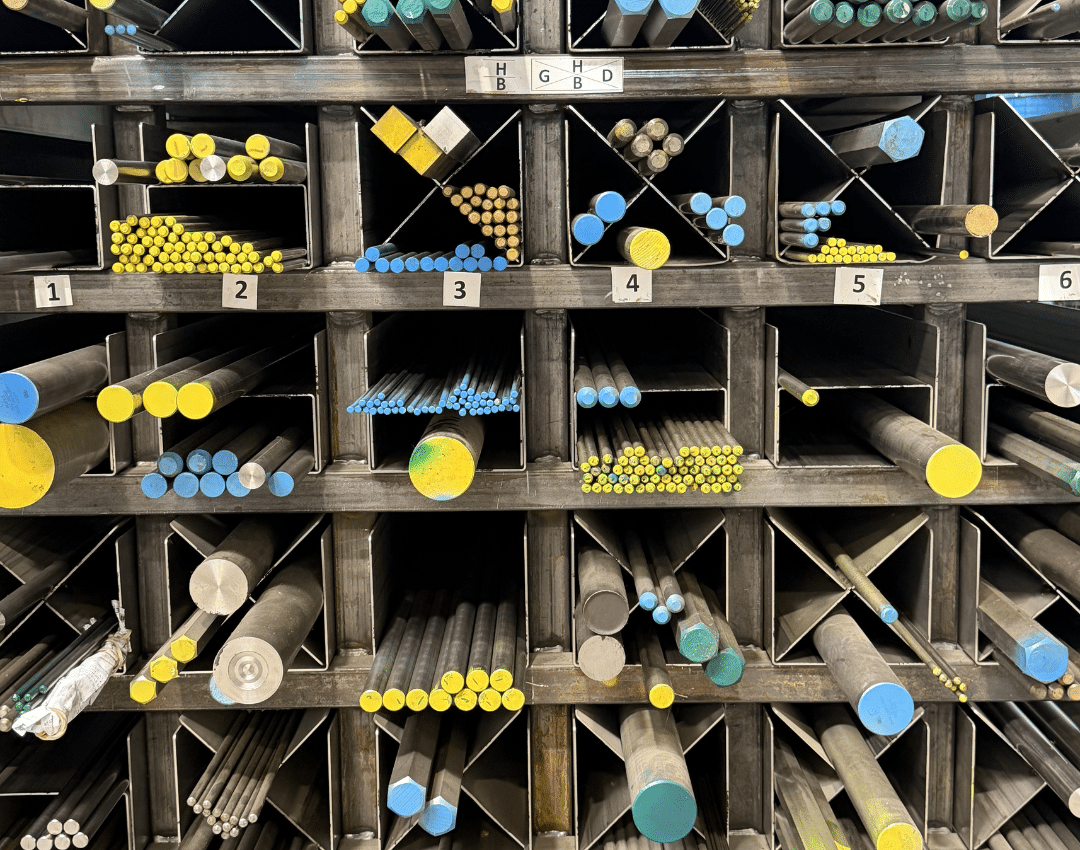
Thanks to its machine park and experience in mechanical bar turning, Massard machines different families of materials for a variety of technical applications. This enables us to work efficiently on:
Standard and special steels: versatility and robustness for a wide range of mechanical applications.
Stainless steel (303, 316, special stainless steels): corrosion resistance and suitability for harsh environments.
Copper alloys (Cupro, brass, bronze): excellent electrical conductivity and machinability.
Aluminium: light weight and thermal conductivity, valued in automotive and electronics.
Titanium: a unique combination of strength and lightness, essential in aerospace and medical.
In precision bar turning, material selection plays a central role in mechanical performance, durability and the stability of machined parts. Wear resistance, corrosion resistance, thermal constraints, conductivity and mechanical behaviour: each industrial environment imposes specific requirements that directly influence the choice of material.
Steels: versatile materials for technical mechanical parts
Steels remain among the most widely used materials in industrial bar turning today, thanks to their versatility and mechanical characteristics.
They are regularly used to manufacture:
mechanical fasteners,
shafts,
fittings,
threaded parts,
technical components,
industrial assembly elements.
Depending on the constraints of the parts produced, different families of steels can be used to meet needs for mechanical strength, machinability or long-term performance.
Steels in particular make it possible to produce parts for demanding industrial environments requiring robustness and repeatability.
Stainless steel and special stainless steels: corrosion resistance and stable performance
Stainless steels and special stainless steels play an important role in certain productions requiring high corrosion resistance or good performance in demanding technical environments.
These materials are particularly suitable for:
- humid environments,
- exposed technical applications,
- specific industrial equipment,
- parts requiring good durability.
Machining stainless steels requires perfect control of cutting parameters to limit material heating and maintain the parts’ dimensional stability during production.
Managing cutting speeds, cooling and machining tools plays an essential role here in guaranteeing a good surface finish and consistent quality across all series produced.
Aluminium: lightness and machinability for technical parts
Aluminium is a material that is particularly sought after in many industrial applications thanks to its light weight and good machinability.
This material makes it possible in particular to produce technical parts requiring:
- weight reduction,
- good corrosion resistance,
- precise manufacturing,
- good dimensional stability.
Aluminium is regularly used for technical mechanical components, industrial equipment or certain parts requiring a compromise between lightness and mechanical performance.
Depending on the constraints of the parts manufactured, machining parameters are adjusted to maintain precision, surface finish quality and production repeatability.
Cupro, copper and brass: technical alloys with specific properties
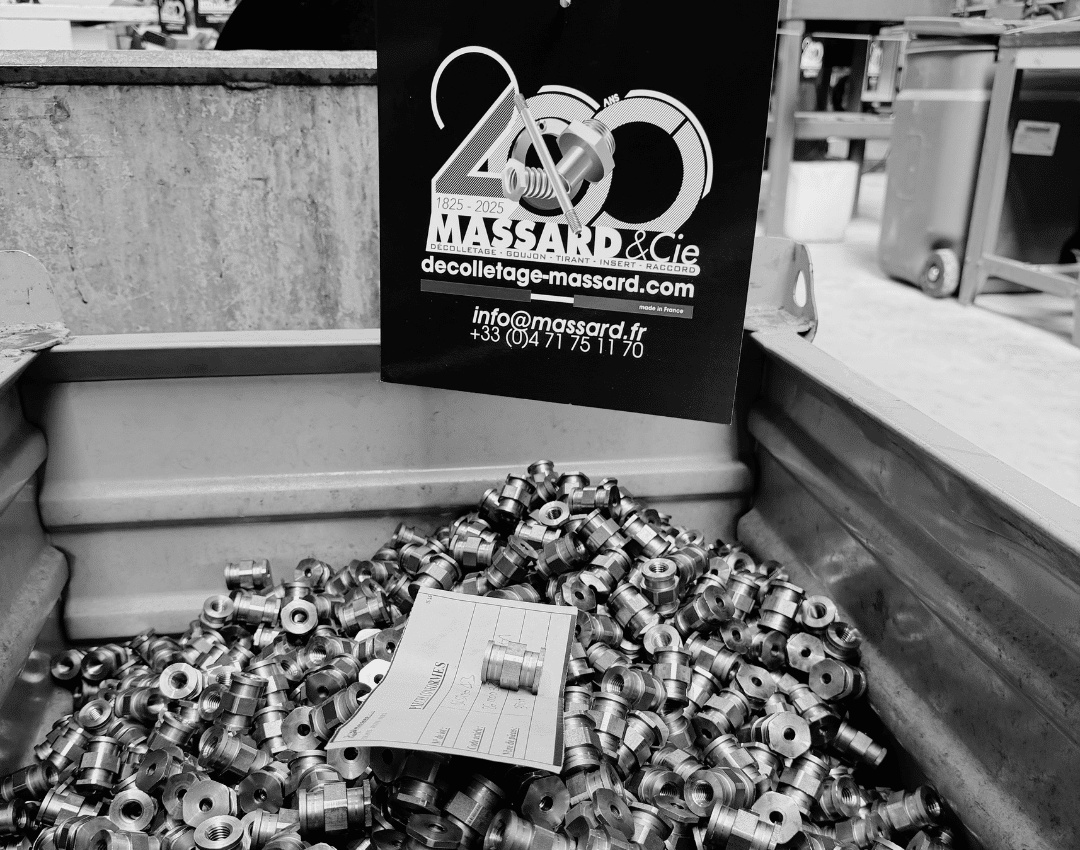
Copper alloys such as copper, brass or Cupro are used for certain technical productions requiring specific mechanical or conductive properties.
These materials can be used in particular for:
- technical fittings,
- precision components,
- parts requiring good conductivity,
- specific industrial applications.
Cupro has a particular place in certain productions requiring technical characteristics suited to specific environments or constraints.
Machining these materials also requires good control of cutting conditions to guarantee the precision of the parts produced and the stability of the series.
Why material selection directly influences the performance of a mechanical part
The choice of a material does not depend solely on cost or availability. In precision bar turning, it directly influences the part’s mechanical performance, service life, wear resistance, corrosion resistance and thermal behaviour in operation.
The same part geometry may therefore require very different machining strategies depending on the material used. Cutting parameters, tools, machining speeds and lubrication conditions must be adapted to maintain production stability and the final quality of the parts manufactured.
At Massard, this mastery of material behaviour makes it possible to guarantee dimensional accuracy, series repeatability and surface finish quality, including on technical productions or parts subject to significant mechanical constraints.
This approach also makes it possible to support a wide variety of industrial projects thanks to:
- cross-sector versatility to meet different specifications,
- technical expertise adapted to the specificities of each machined material,
- support in material selection to optimise the final performance of parts according to their operating environment.
How to choose the right material for a mechanical part?
The choice of a material always depends on the mechanical part’s actual operating constraints. Some applications prioritise mechanical strength, others corrosion resistance, conductivity, thermal stability or weight reduction of mechanical assemblies.
A part intended for a humid or corrosive environment will not require the same characteristics as a part subject to significant mechanical loads or specific thermal constraints.
Material selection also influences:
- the part’s service life,
- its ability to be assembled,
- possible additional treatments,
- final mechanical performance,
- manufacturing and maintenance costs.
At Massard, this analysis is an integral part of the technical approach to guide customers towards the solutions best suited to their specifications.
Why are some materials more complex to machine?
Not all materials react in the same way during machining.
Some have specific constraints related to:
their hardness,
their thermal behaviour,
their conductivity,
their mechanical strength,
or chip formation.
Stainless steels, for example, require precise management of cutting parameters to limit heating and tool wear. Other materials require specific strategies to maintain dimensional stability or guarantee good surface finish quality.
Mastering these material behaviours is now an important issue in precision bar turning, particularly for technical parts requiring repeatability and compliance on recurring productions.
Appropriate resources to guarantee precision and repeatability
Massard has:
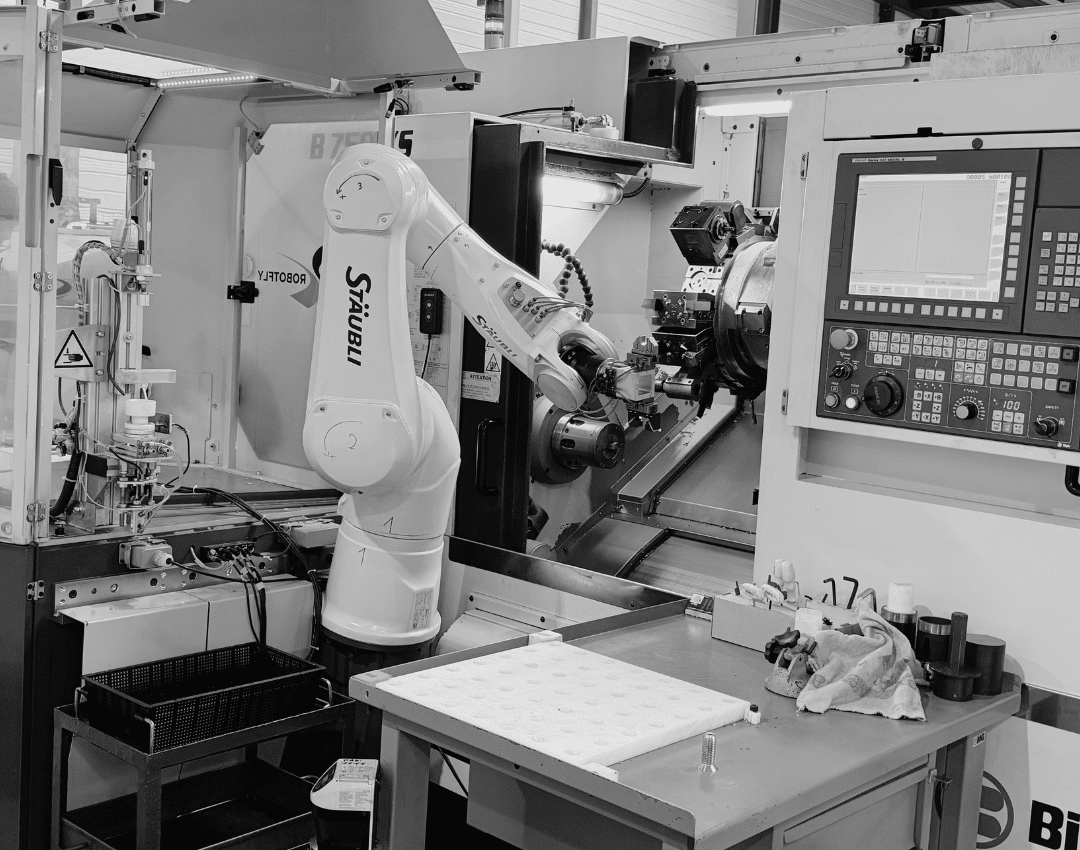
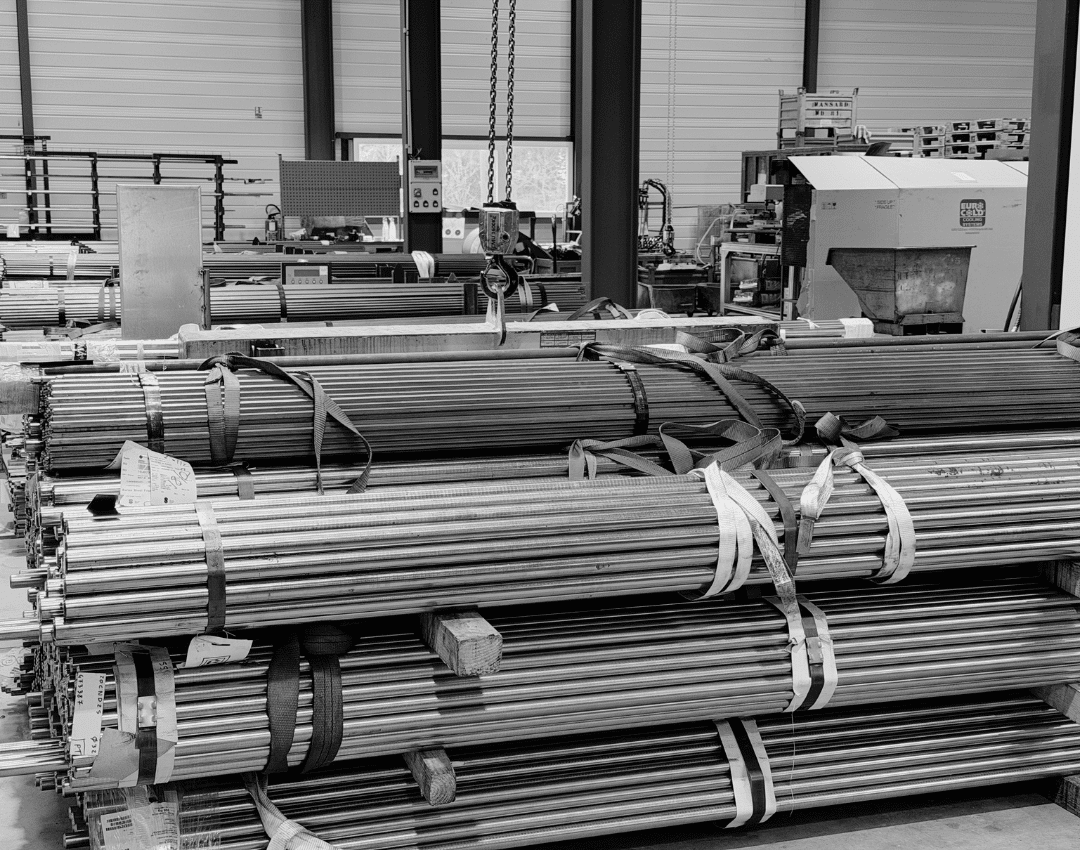
- A diversified machine park to machine both large-diameter steel bars and technical parts in stainless steel or titanium.
- ISO 9001-certified quality controls to ensure compliance.
- An environmental approach compliant with ISO 14001: chip recycling, optimisation of material flows.
Depending on customer needs, productions can include different technical operations such as:
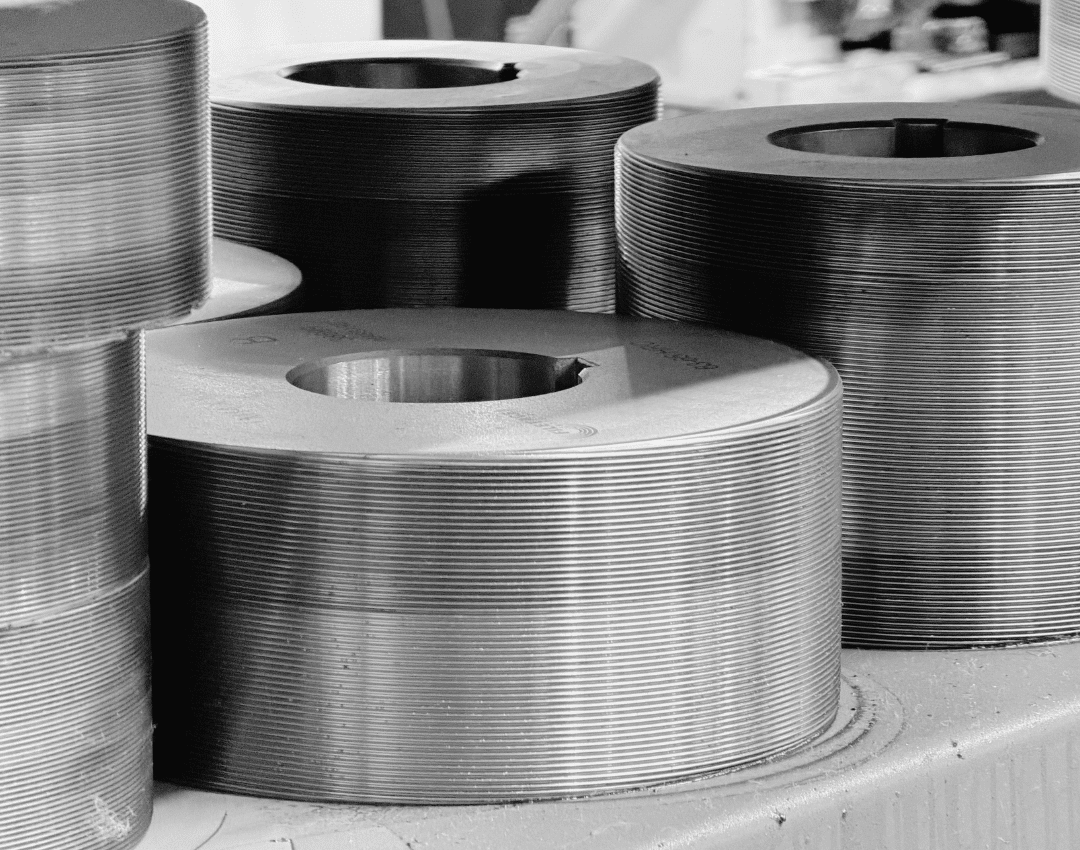
- threading,
- rolling,
- tapping,
- cross drilling,
- milling,
- multi-operation machining.
This organisation makes it possible to guarantee series repeatability while maintaining a high level of quality on the parts produced.
Material expertise in support of industrial projects
Each industrial sector has its own technical constraints. Some applications prioritise mechanical strength, others corrosion resistance, conductivity or weight reduction of parts.
Thanks to the diversity of machined materials and its experience in precision bar turning, Massard supports industrial customers in choosing the solutions best suited to their technical and functional needs.
This mastery now makes it possible to meet projects requiring:
- technical mechanical parts,
- specific fasteners,
- precision components,
- parts machined to drawing,
- recurring or specific productions.
FAQ – Materials and precision machining
Which materials can be machined in bar turning?
Bar turning makes it possible to machine different families of materials such as steel, stainless steel, aluminium, brass, copper, Cupro, as well as certain technical materials depending on industrial constraints.
Why choose stainless steel rather than standard steel?
Stainless steel offers better corrosion resistance and is particularly suitable for humid environments or technical applications requiring high durability.
Why does material selection influence machining?
Each material has its own mechanical and thermal characteristics. Cutting parameters, tools and machining strategies must be adapted to guarantee precision, stability and repeatability.
What types of parts can be manufactured depending on the materials?
Machined materials can be used to produce mechanical fasteners, fittings, shafts, threaded parts, technical components or specific mechanical parts to drawing.
Other readings that may interest you
-
- Bar turning of mechanical fasteners: studs, inserts, tie rods and fittings.
- Special fasteners in small series: meeting specific demands starting from 20 pieces
- Long part turning: machining up to 2800 mm on sliding headstock CNC lathes
- Production of rolled threads: better mechanical strength for your fasteners
200 years of industrial history driven by the women and men of Massard