Contract Thread Rolling: What types of parts can we process to create your threads?
Do you have pre-machined mechanical parts and are looking for a specialist to create their threads? Contract thread rolling allows you to entrust this operation to a subcontractor equipped to form threads by cold deformation of the material, without necessarily entrusting them with the entire manufacturing process.
Studs, tie rods, special screws, control shafts, or fittings: various families of industrial parts can be concerned. However, their compatibility depends on several technical parameters, including the material, geometry, preparation diameter, and the characteristics of the requested thread.
At Massard & Cie, thread rolling is one of the expertises used in the manufacture of mechanical parts and industrial fasteners. The company can also study the processing of parts supplied by its clients. Discover the possibilities of contract thread rolling, Massard's technical capabilities, and the elements to anticipate before submitting your request.
Key takeaways
- Service: thread rolling, particularly on pre-machined parts supplied by the client.
- Dimensions: metric threads from M3 to M39, with pitches from 0.5 to 4 mm.
- Applicable parts: studs, tie rods, special screws, shafts, fittings, plugs, and adapters.
- Rolling lengths: up to 120 to 130 mm in plunge rolling and up to 1 meter in through-feed rolling, depending on the configuration.
- Feasibility conditions: material, geometry, preparation diameter, and thread characteristics.
- Controls: diameter verification before rolling and thread inspection with GO/NOGO gauges after the operation.
Summary
Massard performs contract thread rolling operations on industrial mechanical parts, especially those already machined and supplied by its clients. Its equipment allows for forming metric threads from M3 to M39, with pitches from 0.5 to 4 mm. Depending on the technique used, threaded lengths can reach 1 meter. Each request is subject to a feasibility study considering the part's characteristics and the client's requirements.
What is Contract Thread Rolling for industrial parts?
Contract thread rolling is a manufacturing service consisting of creating a thread on a mechanical part by cold deformation of the material. Unlike cut threading, which relies on material removal, rolling forms the thread profile under the action of specific tools, without producing chips during this operation. This cold deformation can improve the mechanical characteristics of the thread compared to a cut thread, when the material and manufacturing conditions are suitable. It is particularly beneficial for components subjected to mechanical stresses or repeated assembly and disassembly operations.
As part of a contract service, the client can entrust only the thread rolling operation to Massard, after having machined their parts in-house or with another manufacturer. This organization allows a specialist to intervene at a specific stage of the manufacturing process, provided that the compatibility of the parts with the process is verified beforehand.
What types of parts can Massard process for contract thread rolling?
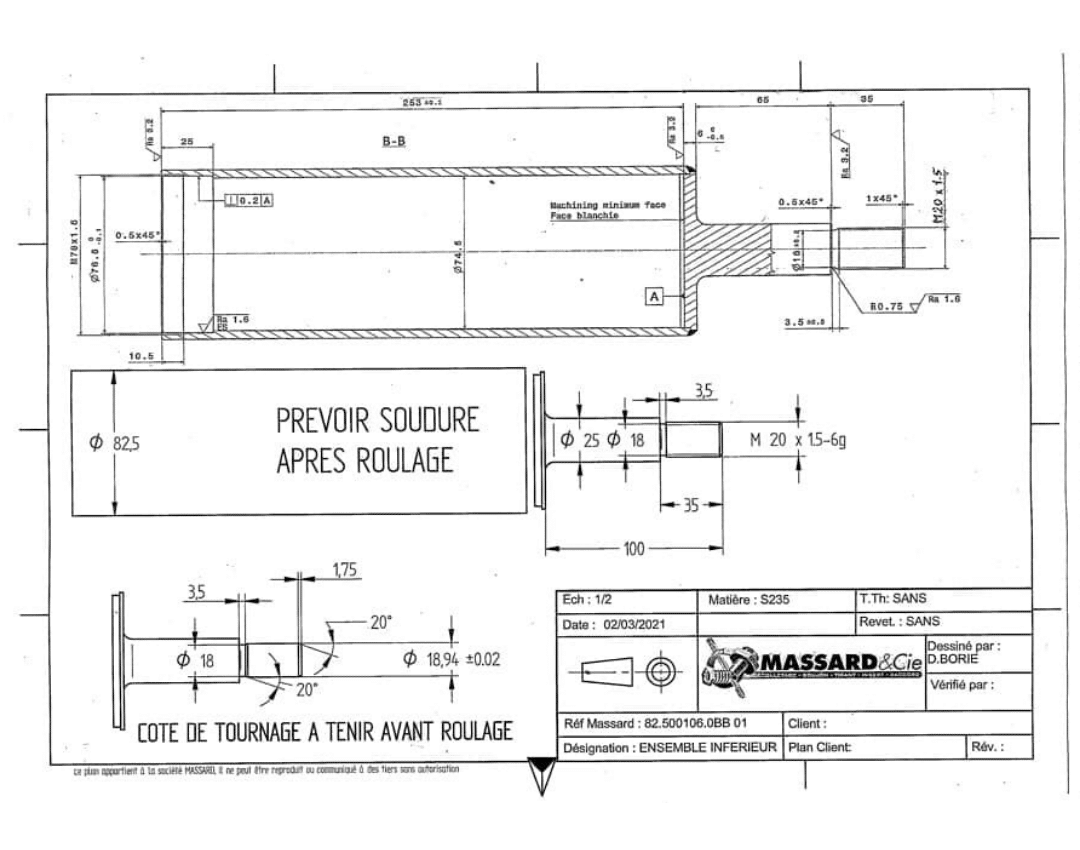
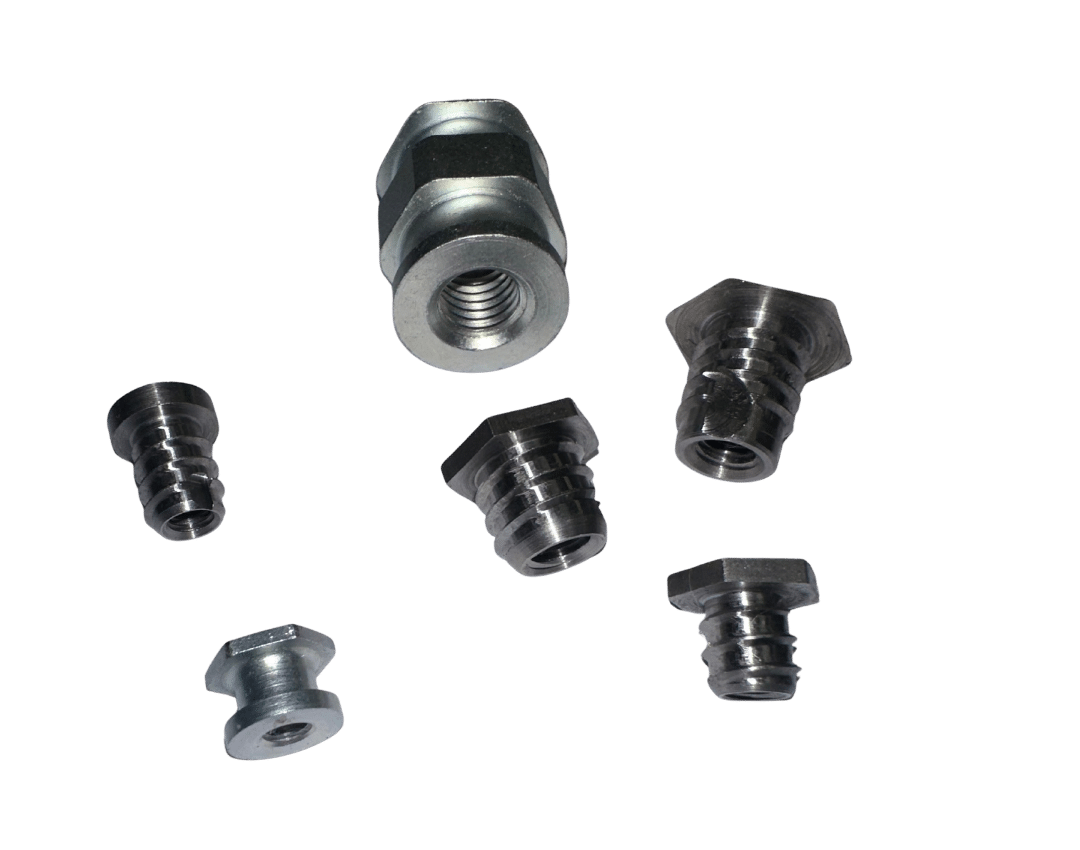
Contract thread rolling operations concern various families of mechanical components used in industrial equipment and assemblies. At Massard, these can include studs, tie rods, special screws and fasteners, control shafts, valve drivers, fittings, plugs, transmission shafts, and adapters.
Industrial studs and tie rods are used in assemblies requiring threads adapted to fastening conditions. Special screws may have dimensions or configurations defined by drawings, while control shafts, transmission shafts, and valve drivers may incorporate a threaded area necessary for their assembly or operation.
Fittings, plugs, and adapters can also be concerned. However, their shape, accessible areas, and dimensions to be threaded must be examined before selecting the process. Indeed, the part family alone is not sufficient to determine the feasibility of rolling: the technical characteristics of each component remain decisive.
Can parts already machined by another manufacturer be processed?
Yes, Massard can study the thread rolling of parts already machined and supplied by its clients. This option particularly concerns manufacturers who wish to outsource only the threading operation, while retaining control over other manufacturing stages.
The essential point lies in the preparation of the area to be threaded. The machined diameter must be compatible with the thread profile to be obtained by material deformation. A part initially prepared for a cut thread is therefore not automatically suitable for a rolled thread. A preliminary technical verification determines if processing is feasible.
What are Massard's contract thread rolling capabilities?
Massard has equipment capable of producing metric threads from M3 to M39, with pitches ranging from 0.5 to 4 mm. The company also works with different thread profiles, including metric, American, and Gas, with fine or coarse pitches, right-hand or left-hand.
Operations are performed by plunge rolling or through-feed rolling, depending on the length to be threaded and the part's geometry. Massard's rolling equipment can develop a force of up to 30 tons. These capabilities allow for studying various mechanical part configurations, subject to their compatibility with the production means.
Plunge rolling or through-feed rolling: what's the difference?
- Plunge rolling consists of forming the thread over a defined length of the part. At Massard, this technique allows for threaded lengths of up to approximately 120 to 130 mm, depending on project characteristics.
- Through-feed rolling allows for forming threads over longer lengths, up to 1 meter. The choice between the two techniques depends notably on the length to be threaded, the requested profile, and the part's configuration. It is determined during the technical study.
What minimum length is required for a rolled thread?
According to Massard's technical specifications, the minimum length required for rolling must be at least equivalent to the nominal diameter of the thread. Thus, an M10 thread requires a minimum of 10 mm of rolling length, while an M16 thread requires a minimum of 16 mm.
This data constitutes a primary feasibility criterion when designing a part or studying an already machined component. It must be considered along with other characteristics of the area to be threaded to determine manufacturing possibilities.
What materials can be thread rolled?
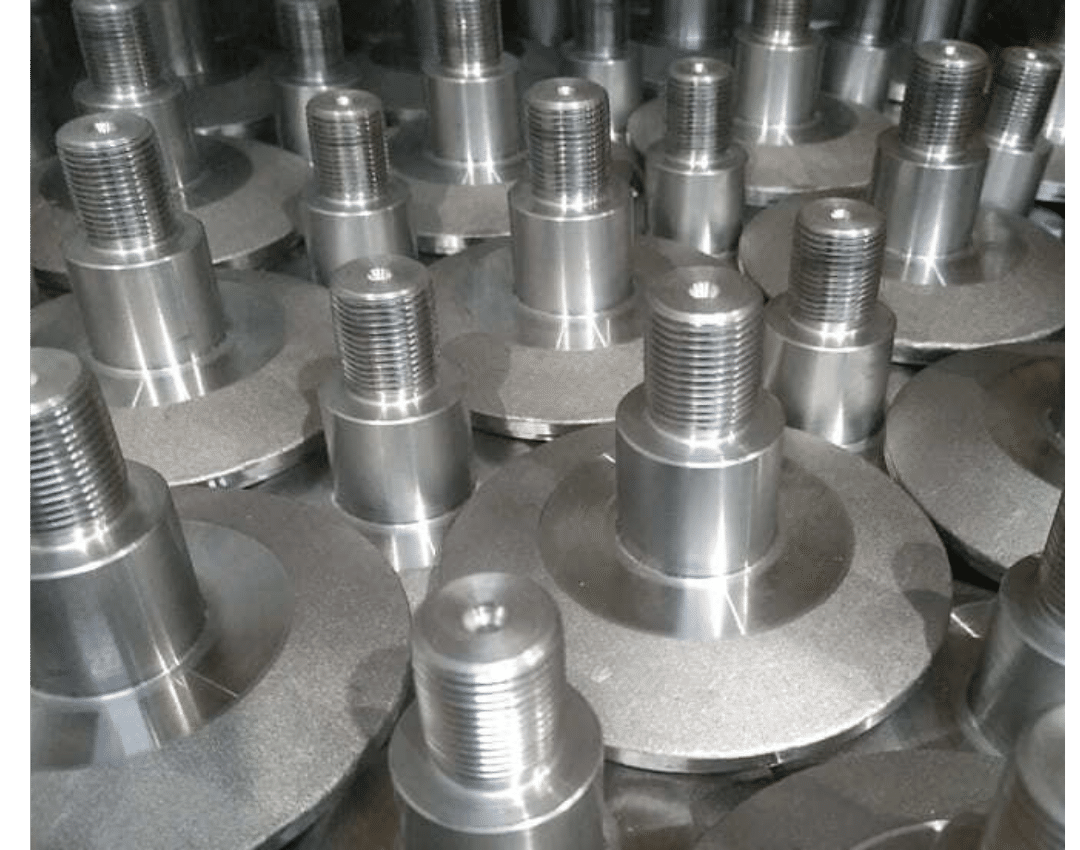
Thread rolling can be performed on various industrial materials, provided their properties allow for thread formation by cold deformation. At Massard, operations notably concern steel, pre-treated steel, stainless steel, Duplex, aluminum, and titanium. Certain grades of brass and copper can also be rolled.
Rolling can also be considered for some steels after heat treatment, particularly for specific bolt classes. The feasibility of the operation then depends on the exact grade, the metallurgical state of the material, and the thread characteristics.
For an already manufactured part, it is therefore important to communicate its material designation and any treatments. This information allows for verifying its suitability for rolling before engaging in production.
What criteria should be checked before entrusting parts to a thread rolling specialist?
When a manufacturer wishes to have a rolled thread produced on already machined parts, several parameters must be examined. The first concerns the preparation diameter, since the thread will be formed by material displacement and not by chip removal. The dimensions of the available area, the material, the thread profile, and the general geometry of the part also play a role in the study.
It is also necessary to consider the final use of the component and any surface treatments. A coating applied after rolling can modify the assembly conditions of the thread and require additional inspection.
Information to provide for a contract thread rolling request
To facilitate the technical study and quote preparation, it is recommended to communicate:
- The part drawing, with applicable dimensions and tolerances.
- The material, its grade, and any heat treatments.
- The desired thread, with its profile, diameter, pitch, direction, and length.
- The preparation diameter and machining state of the area to be threaded.
- Planned treatments or coatings, on the part alone or on the assembly.
- The quantities requested, specifying whether the need is occasional or recurring.
The use of the part is also useful information. It helps to better understand the stresses the thread will be subjected to and the specific requirements of the specifications.
How does Massard control the quality of rolled threads?
Thread quality is essential to ensure the conformity and assemblability of parts intended for industrial assemblies. At Massard, controls are integrated into the different stages of the rolling process, from part preparation to verification of the obtained thread.
- Before rolling, the teams check the preparation diameter resulting from machining or bar turning. This verification ensures that the part has the dimensional characteristics necessary for thread formation.
- After rolling, threads are inspected using GO/NOGO gauges, allowing for verification of their functional conformity and assemblability. Depending on client requirements and specifications, these controls can be performed by sampling or on 100% of the parts.
When a coating is applied after rolling, an additional gauge check is performed to verify that the thread remains compatible with assembly conditions. This verification takes into account the potential influence of the surface treatment on functional dimensions.
Rolled thread or cut thread: how to choose the appropriate process?
The choice between a rolled thread and a cut thread depends on the part's characteristics and expected performance.
- Rolling is particularly advantageous when the mechanical strength of the thread and its durability are important criteria. Cold deformation can notably contribute to improving thread resistance, under suitable manufacturing conditions. This characteristic may be sought for parts subjected to mechanical forces or repeated assembly and disassembly operations. In certain sectors, particularly nuclear and aeronautics, rolling may also be requested by prime contractors or imposed by specific technical standards.
- Cut threading nevertheless retains its full relevance when the material, geometry, or dimensions of the part do not allow for suitable rolling.
The choice of process must therefore be made according to the application and specifications, rather than systematically considering one of the two techniques as superior to the other.
Massard, specialist in contract thread rolling and precision bar turning
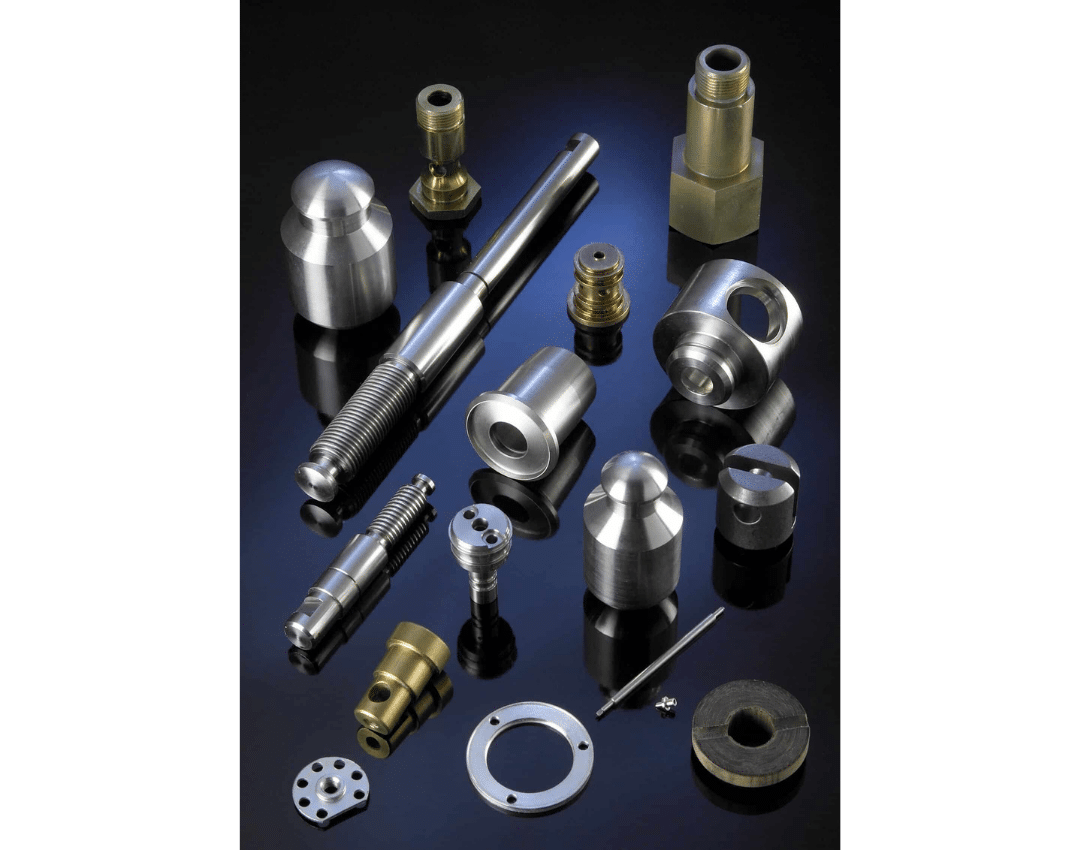
For several generations, Massard & Cie has supported manufacturers in the production of technical mechanical parts and fastening components. Its expertise combines precision bar turning, thread production, and quality control, both for parts manufactured to drawings and for specific custom operations.
The ability to work on parts supplied by clients allows Massard to meet targeted subcontracting needs. Each request is examined based on the material, geometry, desired thread, and available production capacities. This approach allows for defining the production conditions and necessary verifications before manufacturing.
What to remember
Contract thread rolling allows for entrusting thread production to a specialist without necessarily outsourcing the entire part manufacturing. For already machined components, feasibility primarily depends on their preparation and compatibility with the process. Verification of diameter, material, geometry, and thread characteristics determines the possibilities for processing.
Massard studies these parameters to propose a thread rolling operation adapted to project requirements.
Do you have pre-machined parts that need thread rolling?
Are you looking for a provider to perform contract thread rolling on studs, tie rods, shafts, or other industrial mechanical parts?
Massard studies the feasibility of your project based on the characteristics of the parts, the desired thread, and the quantities to be produced.
Submit your drawings and technical information for your parts to obtain a feasibility study and a quote tailored to your needs.
FAQ – Contract Thread Rolling for Industrial Parts
Can rolled threads be produced on already machined parts?
Yes, Massard can study contract thread rolling on parts already machined and supplied by the client. Feasibility depends notably on the material, geometry, preparation diameter, and dimensions of the desired thread. A part prepared for a cut thread is not automatically compatible with rolling.
What industrial parts can be processed for contract thread rolling?
Operations can notably concern studs, tie rods, special screws, control shafts, valve drivers, fittings, plugs, transmission shafts, and adapters. The compatibility of each part must be studied based on its technical characteristics and equipment capabilities.
What are the maximum dimensions achievable in contract thread rolling at Massard?
Massard produces metric threads from M3 to M39, with pitches from 0.5 to 4 mm. Threaded lengths can reach approximately 120 to 130 mm in plunge rolling and up to 1 meter in through-feed rolling, depending on the part configuration. These values correspond to the rolling capacities communicated by the company and do not constitute a guarantee of feasibility for all geometries.
What information should be provided to obtain a quote for contract thread rolling?
It is recommended to provide the part drawing, material grade, thread characteristics, preparation diameter, any surface treatments, and desired quantities. Specifying the part's use and whether the need is occasional or recurring also facilitates the technical study.
Other readings that may interest you
- Materials machined at Massard: a complete range from Cupro to special stainless steel
- Bar turning of long parts up to 2800 mm | Massard
- Rolled threading vs machined threading: how to choose? | Massard
- Bar turning of long parts up to 2800 mm | Massard
- The advantages of bar turning for the production of mechanical parts: Massard & Cie expertise
- Long Threaded Parts: Automation and Precision | Massard
200 years of industrial history driven by the women and men of Massard