Rolled threading vs machined threading: when should you choose rolling rather than machining?
In the mechanical industry, threading is an essential step in the manufacture of many technical parts. Yet not all threads are produced in the same way.
Two main processes are used: machined threading and rolled threading. While their result may seem similar at first glance, their mechanical characteristics, manufacturing method and fields of application differ significantly.
So, when should you opt for rolled threading rather than machined threading? What are the advantages of each process? And how do you choose the solution best suited to your specifications?
Two manufacturing processes based on different principles
Machined threading involves removing material to create the thread profile using a cutting tool.
Conversely, rolled threading is obtained by deforming the material between rollers or rolling dies. No chips are produced: the material is displaced to form the thread.
These two processes meet different needs and are not systematically interchangeable. The choice depends in particular on the mechanical performance required, the part dimensions, the material used, production volumes and the project’s economic constraints.
Rolled threading: a process recognized for its mechanical performance
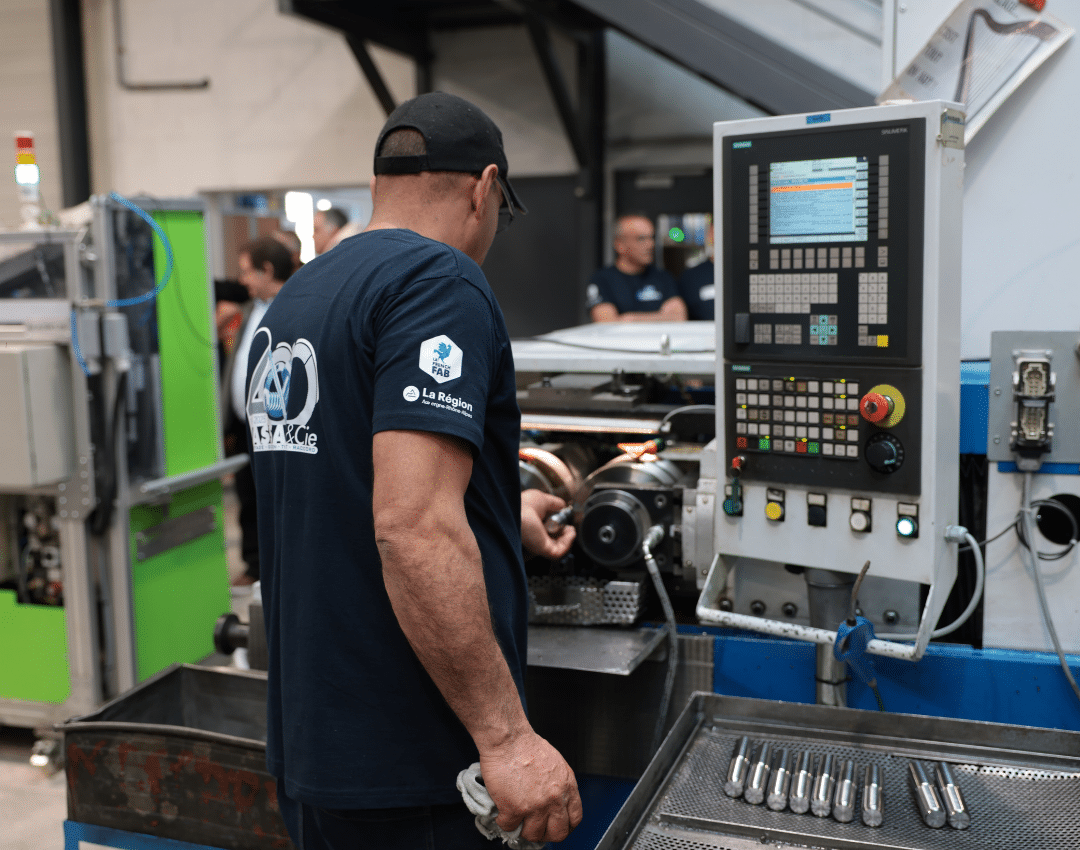
Rolling is particularly valued when a part requires strong mechanical performance and excellent manufacturing repeatability. At Massard, contract rolling is carried out on technical parts for various industrial sectors.
Production capabilities make it possible to produce threads from M3 to M39, with pitches ranging from 0.5 to 4 mm. Rolling can be performed by plunge rolling over specific lengths up to 120 to 130 mm, or by through-feed rolling over lengths up to 1 meter.
Massard produces different types of threads, including metric, American, Gas, fine pitch, coarse pitch, right-hand or left-hand, to meet the requirements of various industrial sectors.
The main limits of the process are linked to the power of the rolling machines, which can develop up to 30 tons of force, as well as the minimum length required to produce the thread. This must be at least equivalent to the nominal thread diameter (for example 10 mm for an M10 thread or 16 mm for an M16).
Rolling operations are carried out on many materials such as steel, pre-treated steels, steels after heat treatment, stainless steel, Duplex, aluminum, brass, copper (depending on grade) as well as titanium.
What are the advantages of rolled threading?
Rolling offers several technical advantages depending on the application.
This technology notably ensures excellent concentricity and cylindricity between the different diameters machined on the same part, while providing very good surface finish quality and excellent manufacturing repeatability.
Unlike machined threading, rolled threading is obtained by cold forming the material. This process improves the thread’s mechanical strength, increases its service life and limits the risk of brittle threads during assembly and disassembly operations.
Rolled threading is now preferred—or even required—in certain particularly demanding sectors, notably nuclear and aerospace, where major contractors impose high requirements in terms of mechanical performance and reliability.
When should you choose machined threading?
Machined threading remains perfectly suited to many industrial productions.
Depending on the part’s characteristics, certain geometries, materials or manufacturing constraints can make this solution more relevant than rolling.
Rolling requires specific preparation of the part, with a pre-machined diameter corresponding to the desired rolling diameter. When this setup is not compatible with the part geometry or manufacturing constraints, machined threading is a perfectly suitable alternative.
The goal is therefore not to pit the two processes against each other, but to choose the one that best meets the project’s technical requirements.
How to choose between rolling and machining?
The choice of process depends on several criteria:
- the required mechanical performance;
- the part geometry;
- the dimensions;
- the material;
- the quantities to be produced;
- the specifications requirements.
At Massard, each project is reviewed to guide the customer toward the solution best suited to their industrial need.
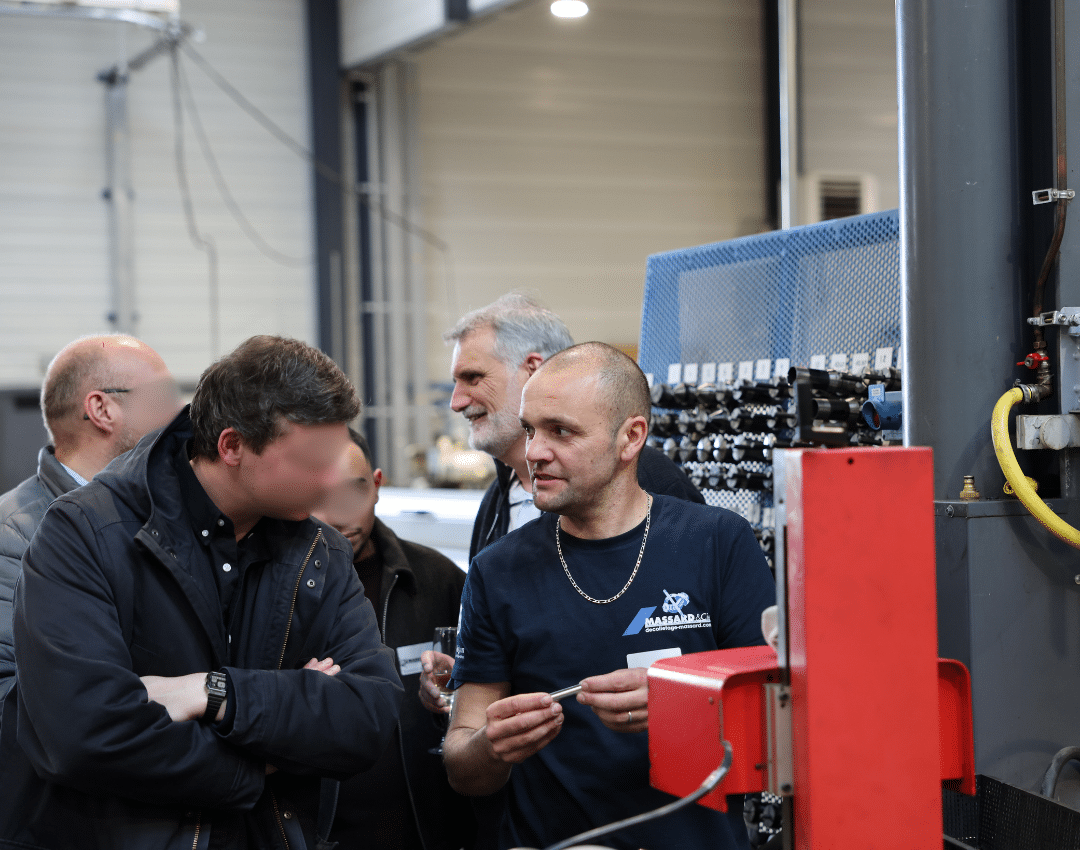
While some customers already know which process they want, many ask the technical teams to support them in this choice, based on expected performance, manufacturing constraints and specifications requirements.
What types of parts can be rolled?
Rolling applies to many mechanical parts intended for various industrial sectors.
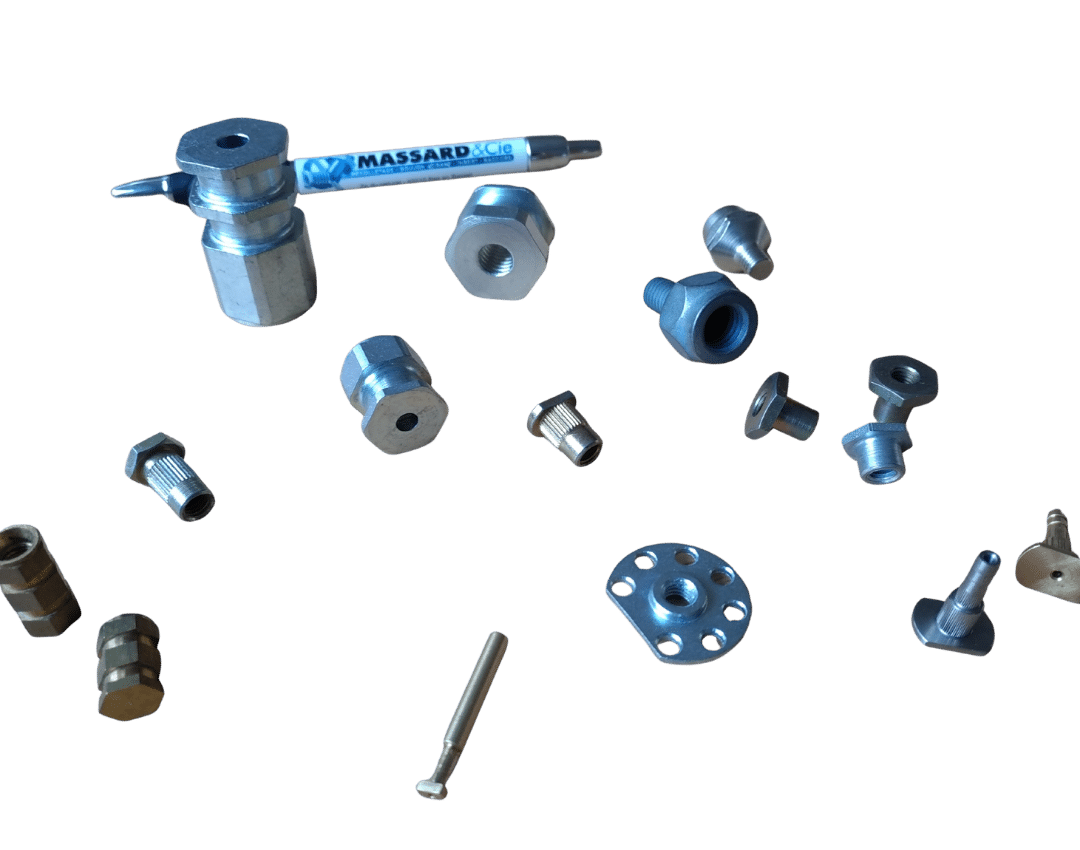
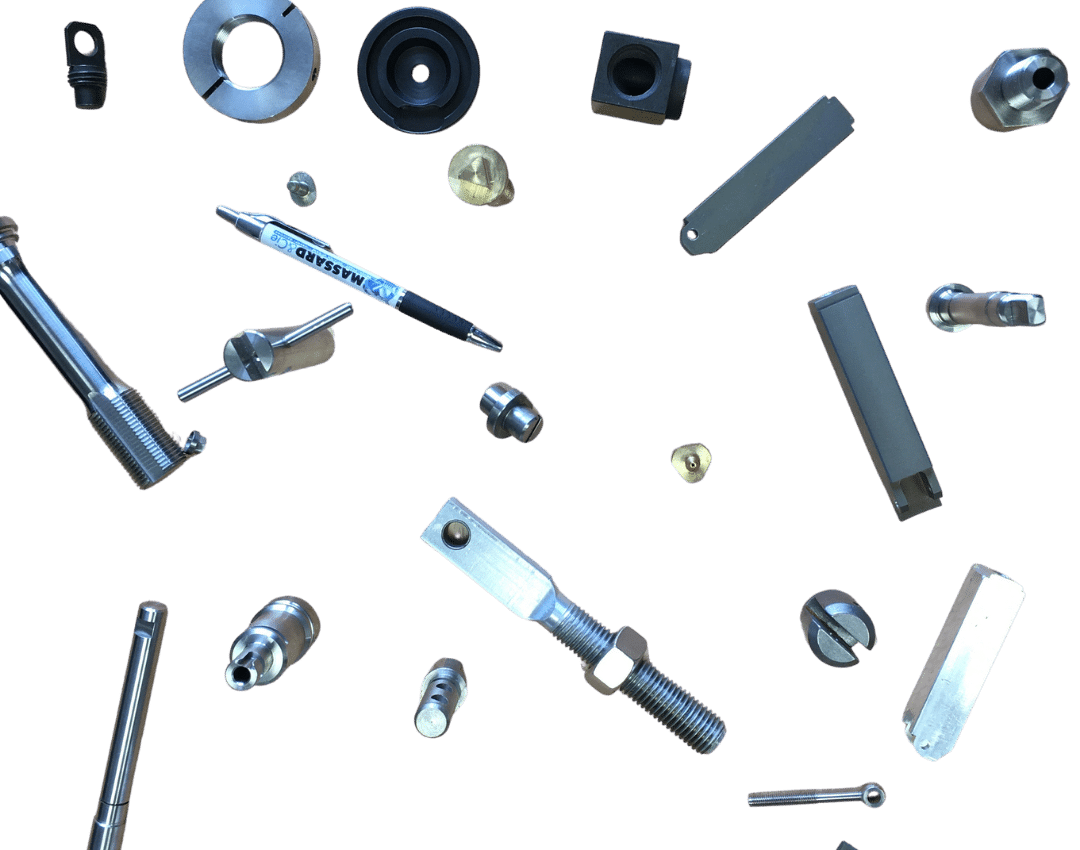
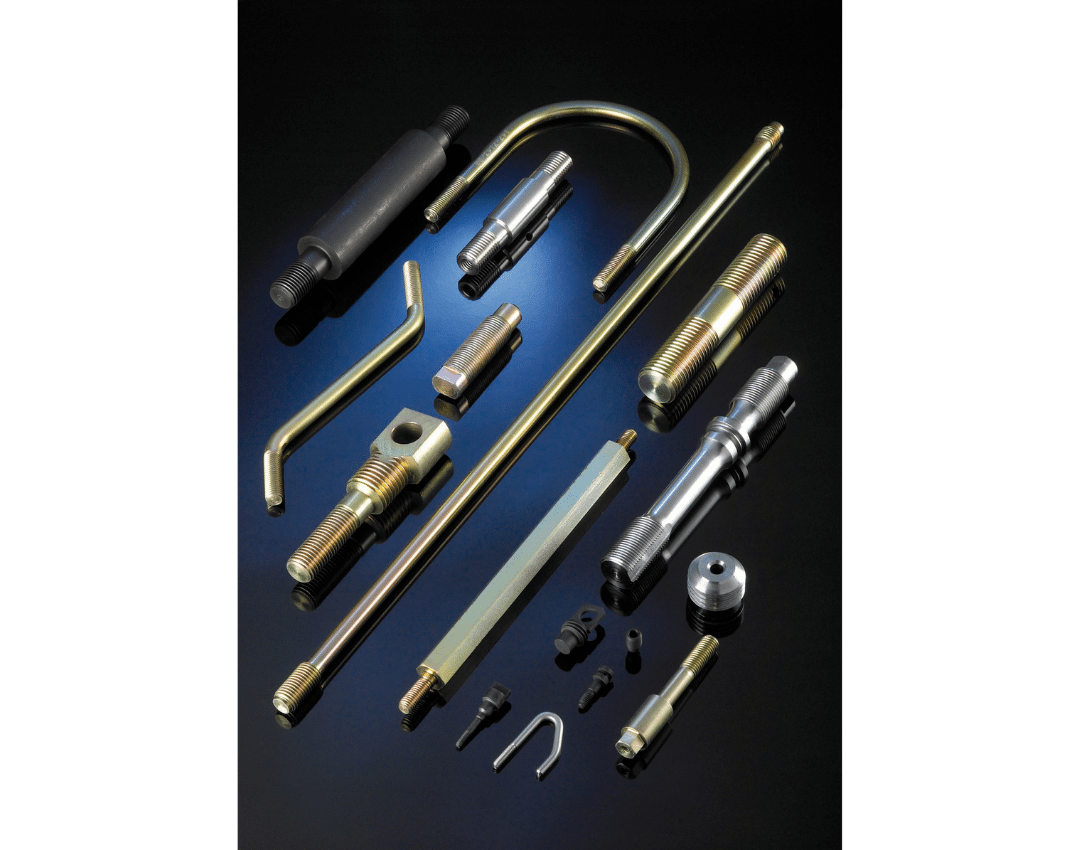
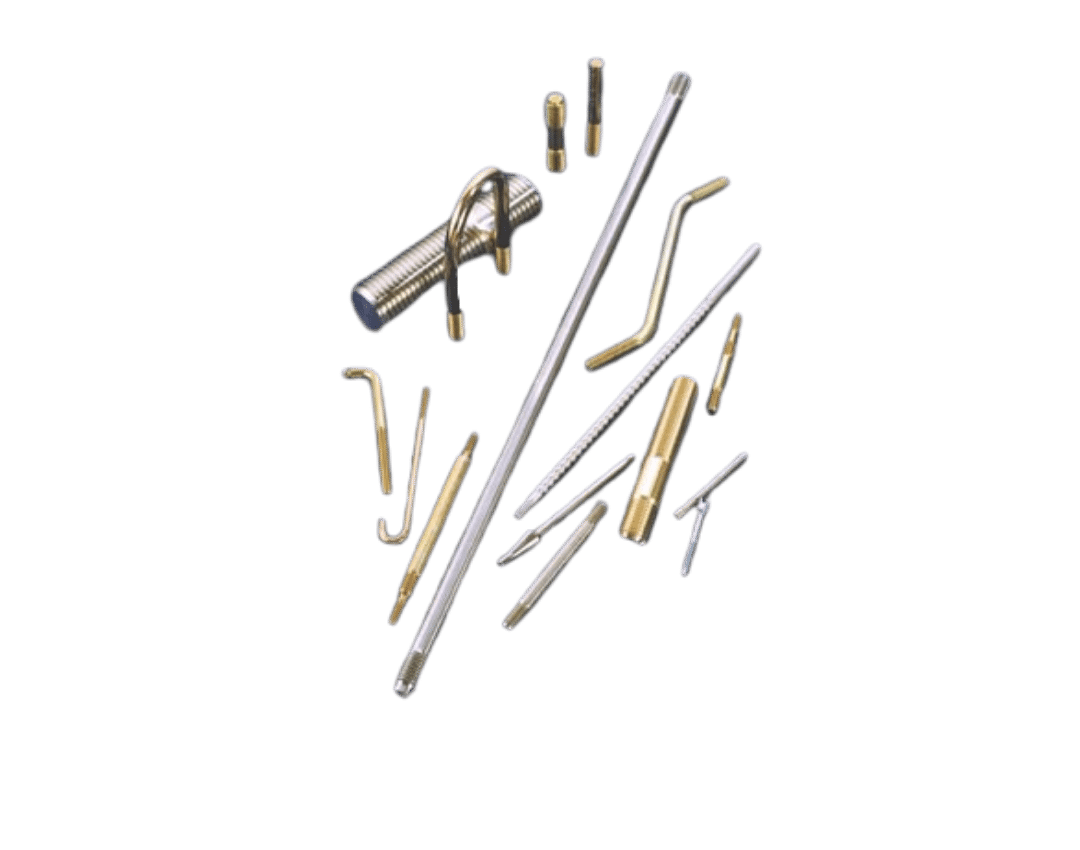
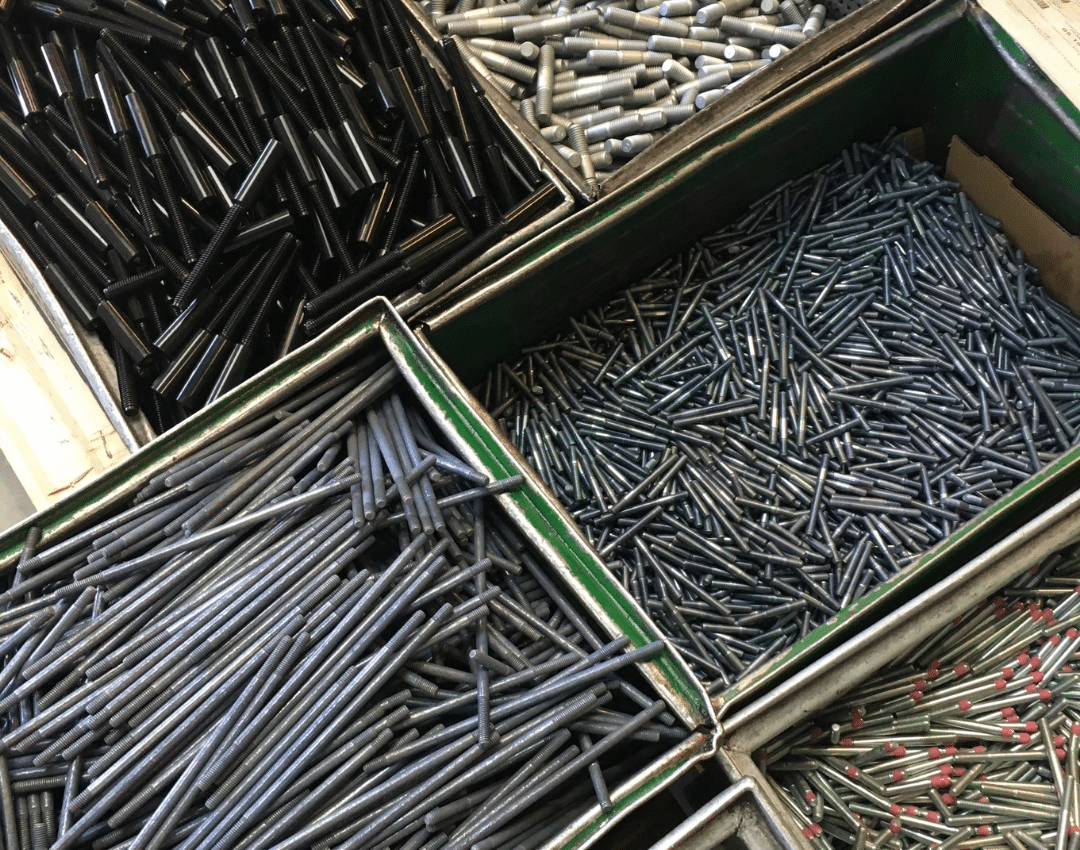
At Massard, production notably includes studs, tie rods, screws and special fasteners, control shafts, valve actuators, fittings, plugs, transmission shafts as well as various adapters.
These threaded parts meet high requirements for precision, repeatability and mechanical strength.
Bar turning and rolling: a complete offering
One of Massard’s strengths lies in mastering several manufacturing steps. Depending on the projects, parts can be bar turned and then rolled to reduce intermediaries, secure quality and optimize production lead times.
This organization ensures better control of the industrial process as well as manufacturing follow-up throughout the project.
Contract rolling: can you entrust us with this operation only?
Rolling can also be carried out on parts supplied by the customer when the project requires it.
This service enables industrial customers who already have their machined parts to benefit from Massard’s know-how to carry out only the rolling operation, provided that the part is compatible with the process’s technical requirements and the equipment’s capabilities.
How does Massard guarantee the quality of rolled threads?
Quality control is an essential step to guarantee the conformity of the parts produced.
Before any rolling operation, the teams check the part’s preparation diameter to guarantee the conformity of the future thread.
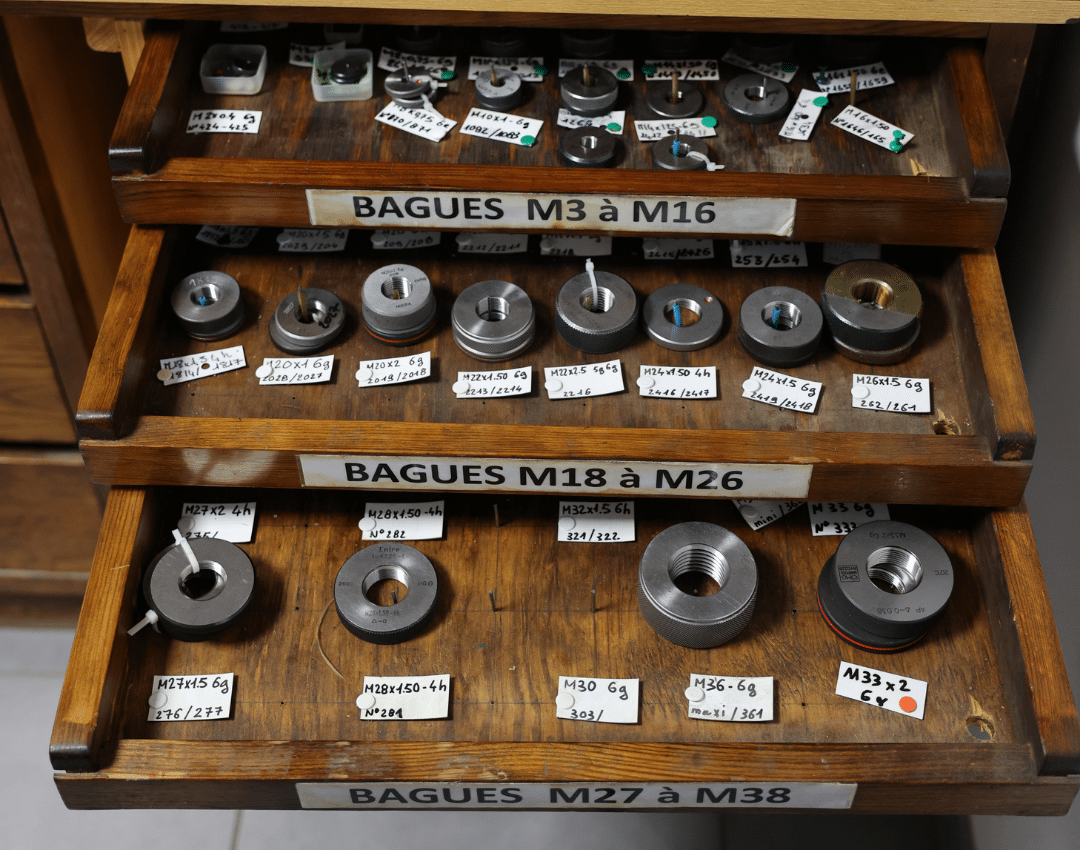
After rolling, the threads are checked using GO/NOGO ring gauges, either by sampling inspection or 100% inspection, in accordance with the customer’s requirements.
When parts receive a treatment or coating, new checks are carried out to verify thread conformity and guarantee perfect assembly after finishing.
Expertise serving your industrial projects
Choosing between rolled threading and machined threading depends above all on your project’s technical constraints.
Thanks to its expertise in precision bar turning and contract rolling, Massard supports industrial customers in choosing the most suitable solution to guarantee parts that meet their requirements for quality, performance and repeatability.
Would you like to assess the feasibility of a threaded part or compare several manufacturing solutions? Contact the Massard teams to discuss your project and obtain a personalized quote.
FAQ – Machined or rolled threading?
What is the difference between rolled threading and machined threading?
Machined threading is obtained by removing material, while rolled threading is produced by deforming the material. The choice depends on the expected technical characteristics for the part.
When should you choose rolled threading?
Rolling is generally preferred when mechanical performance, manufacturing repeatability or thread quality are important criteria.
What types of parts can be rolled?
Can Massard carry out only the rolling of a part supplied by the customer?
Yes. Massard can provide a contract rolling service on parts supplied by the customer, subject to their compatibility with the process’s technical requirements. The teams notably check the preparation diameter before rolling, then inspect the threads using GO/NOGO ring gauges, by sampling or 100% of parts depending on the specifications requirements.
Other readings that may interest you
-
- Bar turning of mechanical fasteners: studs, inserts, tie rods and fittings.
- Long part turning: machining up to 2800 mm on sliding headstock CNC lathes
- Production of rolled threads: better mechanical strength for your fasteners
- Materials machined at Massard: a complete range from Cupro to special stainless steel
- Bar turning of long parts up to 2800 mm | Massard
200 years of industrial history driven by the women and men of Massard